Fresh data Map updated 2026-07-05
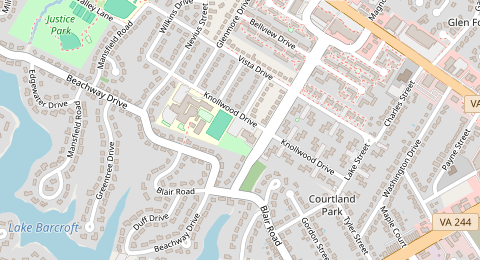
Knollwood Drive, Courtland Park, Washington DC
11 km from Washington DC centre
Washington DC has one of the most managed curbsides in the United States, with metered spaces, Residential Permit Parking blocks, visitor permits, rush-hour restrictions, and federal park areas all overlapping. Free parking is possible, but it is rarely something to assume—especially near the National Mall, downtown, Georgetown, Capitol Hill, and nightlife districts. Use the map to find likely free options, then confirm the exact curb rules in Street View and again on the street before leaving your car.
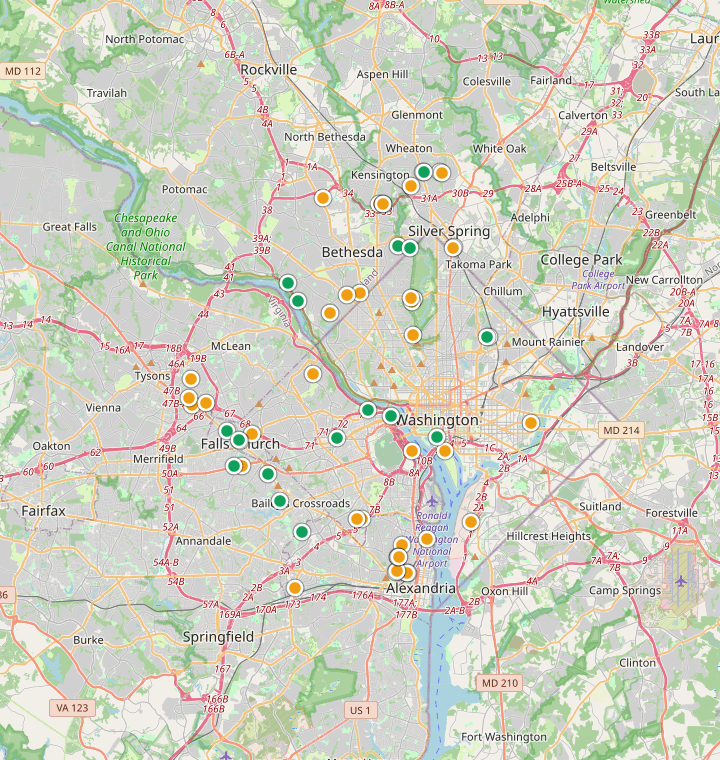
These candidates come straight from the latest community map data, ranked freshest first. Each one links to Street View, Google Maps directions and Google Maps so you can verify the signs before you drive. The last map update is shown for every spot.
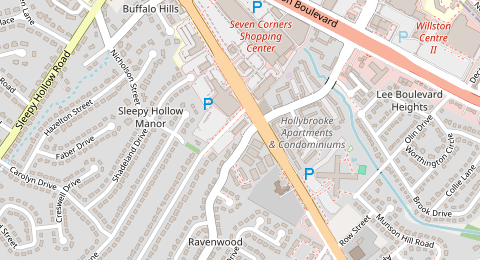
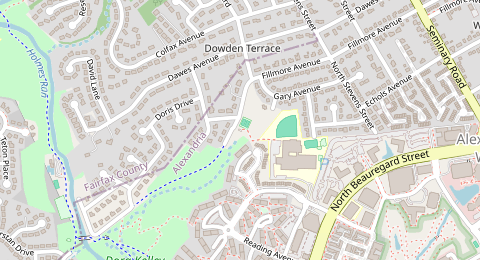
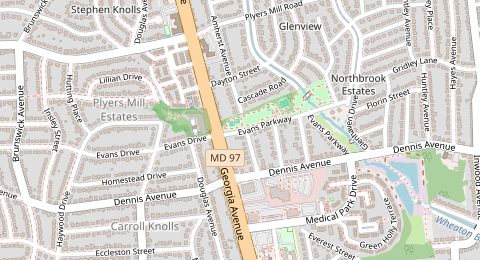
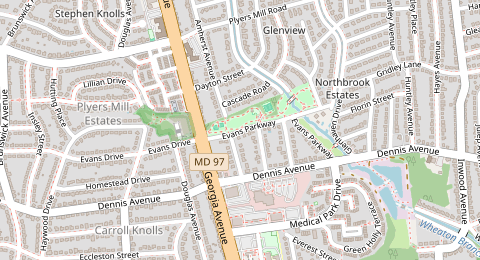
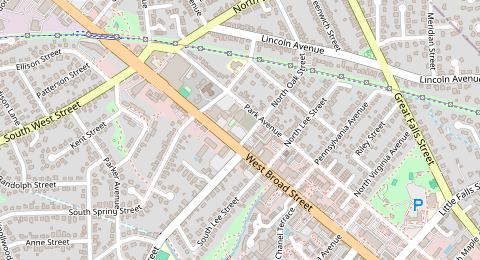
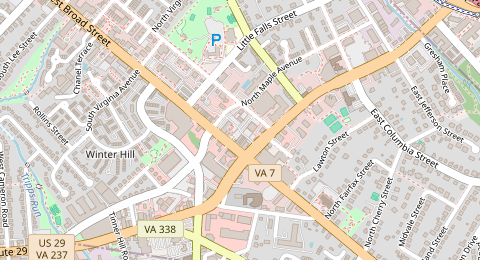
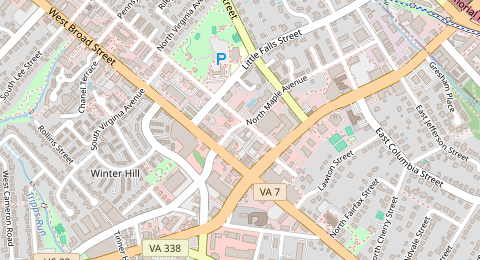
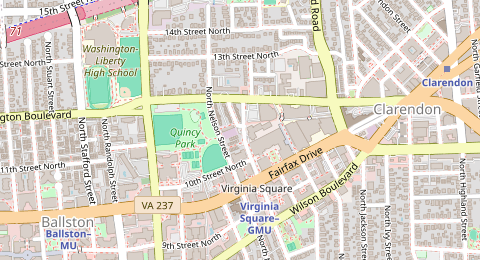
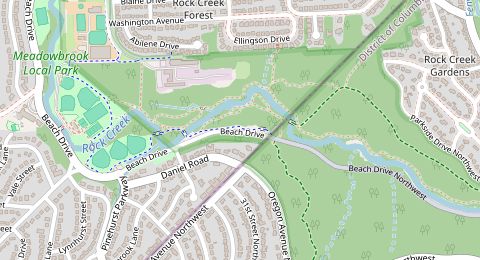
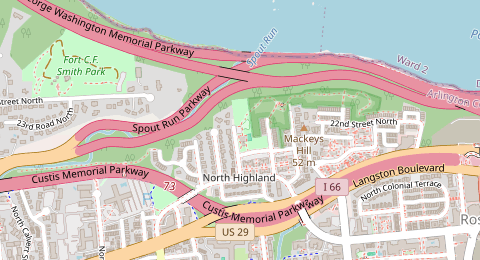
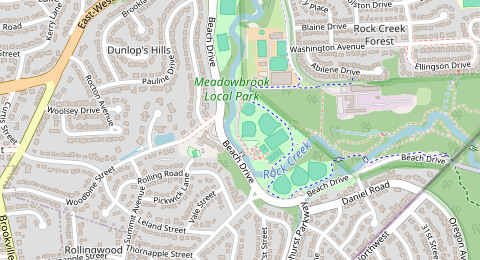
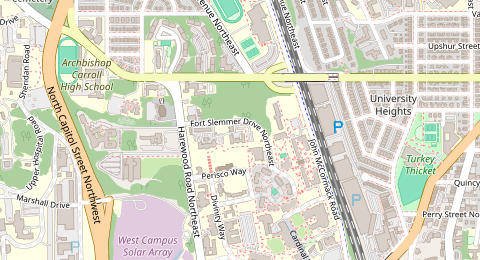
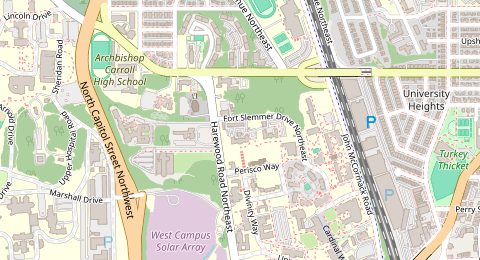
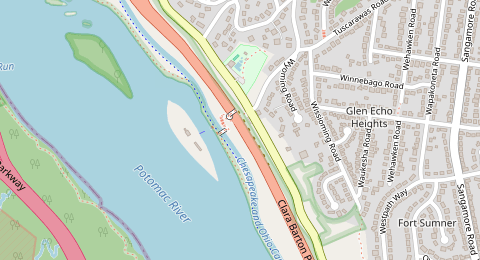
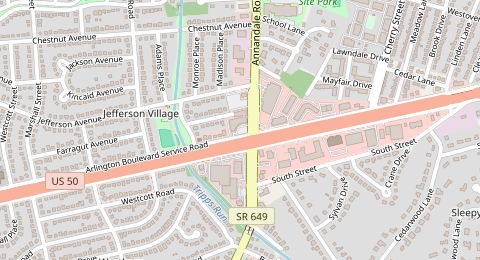
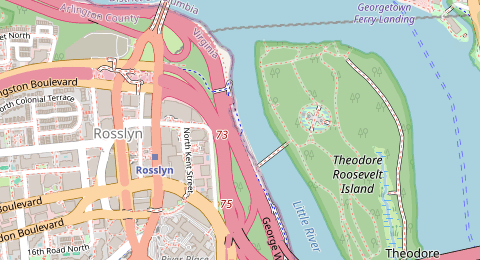
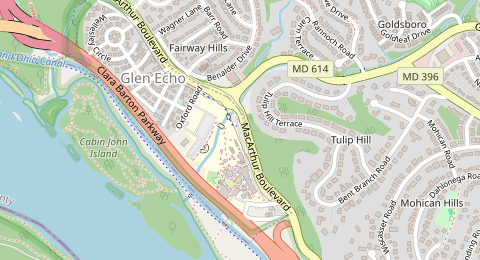
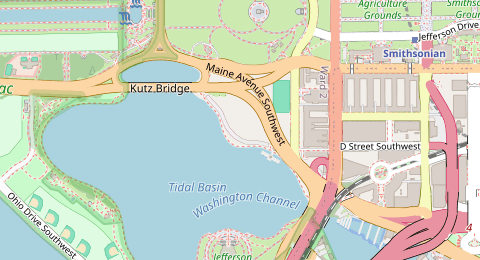
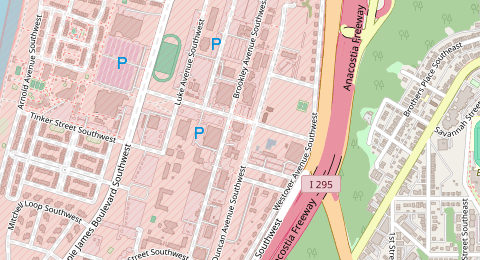
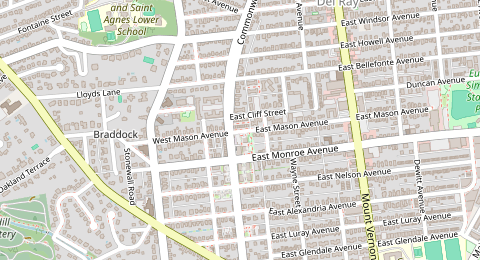
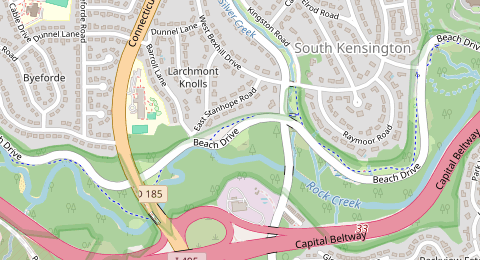
Spots are likely-free candidates based on OpenStreetMap data, not a guarantee. Parking rules change by street, side and time — always confirm the signs on arrival.
306 probable free parking candidates are available on the Washington DC map, including 19 fresh, 41 medium-fresh and 246 older data points. Open the map to compare candidates visually, then use Street View and Google Maps navigation from each marker.
Washington DC is not a city where a blank-looking curb automatically means free parking. DDOT and ParkDC manage residential permits, meters, visitor parking, disability parking, and curbside rules, while the National Park Service manages parking in parts of the National Mall and East Potomac Park. DDOT states that it manages approximately 18,000 metered spaces across the District, and DC’s RPP program limits parking on many residential blocks to permit holders or short stays for non-permit vehicles. The most reliable free-parking lead for visitors is Hains Point in East Potomac Park, but even there you should check current signs, events, and closures. For the rest of the city, the best strategy is to look for unmetered, non-RPP side streets farther from major destinations, Metro entrances, commercial corridors, and nightlife areas—then verify every sign on the block.
These are practical starting points for finding likely free parking in Washington DC. Use them as a shortlist, then verify signs on Street View and on arrival.
This is the strongest official free-parking lead for Washington DC visitors: the National Park Service lists approximately 520 free spaces at Hains Point. It can work well for East Potomac Park, the Tidal Basin area, and longer walks or bike connections toward the Mall.
Verify: Check NPS and on-site signs for closures, construction, events, time limits, accessible spaces, and whether you are in a free area rather than a metered Mall space.
Likely free spaces are more often found away from downtown, major commercial corridors, nightlife clusters, and Metrorail station entrances. The key is finding a block that is not metered, not resident-only, and not restricted during your parking window.
Verify: Use the map to identify candidate blocks, then check Street View for RPP signs, street cleaning signs, rush-hour restrictions, loading zones, and temporary no-parking notices.
DC publishes Residential Permit Parking block data. Blocks outside RPP coverage may be better candidates for free parking, though they can still have meters, street cleaning, rush-hour restrictions, or other curb rules.
Verify: Treat official RPP data as a screening tool only. The sign on the street controls, and the data does not guarantee that a space is available or free.
If your goal is to visit DC rather than park directly at the destination, Metro park-and-ride can reduce downtown parking risk. WMATA says Metro-operated lots are free on weekends and federal holidays for Metro riders except during special events, while weekday parking may require payment.
Verify: Check the specific station page for current availability, fees, payment method, special-event pricing, and whether overnight or multi-day parking is allowed.
Instead of circling immediately next to the Mall, Capital One Arena, the Wharf, Union Market, Navy Yard, or Dupont Circle, search farther out for side streets where the curb is less intensively managed. A 15–25 minute walk or a short Metrobus/Metrorail connection can sometimes be more realistic than parking at the front door.
Verify: Before navigating, check whether the candidate street has RPP, meters, street sweeping, school zones, loading zones, embassy/security restrictions, or event-day temporary signs.
In these parts of Washington DC, free parking is less likely or the rules may be more complex.
The National Mall receives heavy visitor demand and many spaces are metered, time-limited, or affected by events and federal park rules. Free spaces exist at Hains Point, but many other nearby spaces are not free.
These areas have high demand, meters, security restrictions, loading zones, rush-hour controls, and private garages. A curb that is legal at one time of day may become restricted later.
These dense residential and nightlife areas commonly combine RPP blocks, meters, loading zones, restaurant activity, and evening/weekend demand. Read signs carefully and do not assume a side street is unrestricted.
These areas mix residential permits, meters, construction, event traffic, federal buildings, stadium activity, and waterfront demand. Temporary no-parking signs can be especially important.
Some curb lanes become travel lanes during commute periods or snow emergencies. Parking during a prohibited window can lead to tickets or towing even if the space looked legal earlier.
Blocks close to stations often attract commuter parking pressure and may have RPP, meters, short-term spaces, or enforcement designed to prevent all-day non-resident parking.
FreeParkMap is built around verification. Open a candidate spot, check the street visually, then confirm the nearest signs when you arrive.
This page highlights likely free parking based on map data and public sources, but it cannot guarantee that a space is free, legal, or available. Always verify the current curb signs, meters, temporary notices, and local rules before leaving your vehicle.
FreeParkMap is a discovery tool. It helps you build a shortlist of possible places to check, not a guarantee that a space is legal or free.
The page is designed for one simple workflow: discover, verify, navigate, then check signs on site.
Enter your Washington DC destination and review likely free parking areas near your route, not just directly beside the destination.
Open candidate spaces and compare map data, data freshness, nearby restrictions, and walking or transit distance.
Use Street View to inspect signs, meters, curb markings, hydrants, loading zones, street sweeping signs, and RPP language before you drive.
Navigate with Google Maps, then verify the current street signs in person before leaving the car.
Quick answers before using the map.
Yes, but it is limited. The National Park Service lists approximately 520 free parking spaces at Hains Point in East Potomac Park. Many other National Mall spaces are metered or time-limited, so verify the exact lot or curb signs before parking.
Sometimes, but many residential blocks are part of the RPP program. A visitor without the correct permit may only be allowed for the posted time limit, and some blocks may be resident-only during enforcement hours. Always read the block sign.
DDOT states that District meter fees are not required on District holidays, but federal park areas such as National Mall parking can have different rules. Always check the posted sign and the meter or pay station for the exact location.
The most clearly documented free visitor option is Hains Point in East Potomac Park. Elsewhere, likely free parking is more often on unmetered, non-RPP side streets farther from downtown, commercial corridors, Metro stations, and major attractions—but those spaces still require sign verification.
Often, yes. WMATA operates parking at many Metro stations, and Metro-operated lots are generally free on weekends and federal holidays for Metro riders except during special events. Weekday parking, station availability, and overnight rules vary, so check the specific station before relying on it.
No. Street View is useful for screening signs and curb layout, but signs may have changed, temporary restrictions may have been posted, and events may alter rules. Use Street View before you go, then verify the current signs on arrival.
These notes explain which public information sources were used to make this page more specific.
Local curbside management, Residential Permit Parking, visitor parking, and ParkDC program context.
Overview of DC parking programs, metered parking, RPP, visitor parking, disability parking, and enforcement-related services.
Metered parking context, citywide metered-space management, meter rules, holidays, and sign-verification guidance.
RPP eligibility, posted two-hour restrictions for non-permit vehicles, and the importance of block-level signs.
ParkDC visitor permit process, license plate matching, and correct ANC requirement.
Official RPP block data context and caution that the map does not guarantee available parking.
Heading somewhere else? Check likely free parking maps for more cities.
Review likely free spots, inspect signs with Street View, and open Google Maps navigation when a location looks worth trying.
Open Washington DC map →