Fresh data Map updated 2026-06-22
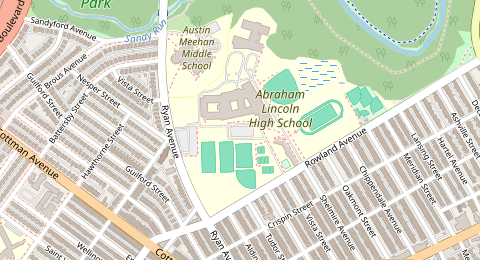
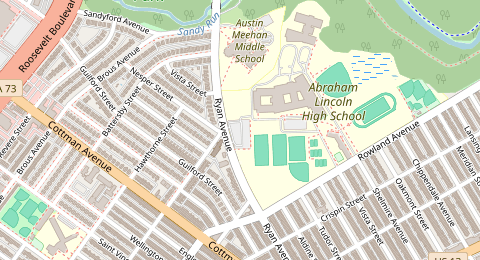
Rowland Avenue, Northeast Philadelphia, Philadelphia
15 km from Philadelphia centre
Philadelphia has a dense, heavily regulated parking environment, especially in Center City, University City, South Philadelphia, and neighborhood commercial corridors. Free street parking is most realistic on outer residential blocks, park-edge areas, and side streets away from meters, permit districts, major institutions, and event venues. Use the map to find likely free spaces, then confirm the exact block with Street View and posted signs before leaving your car.
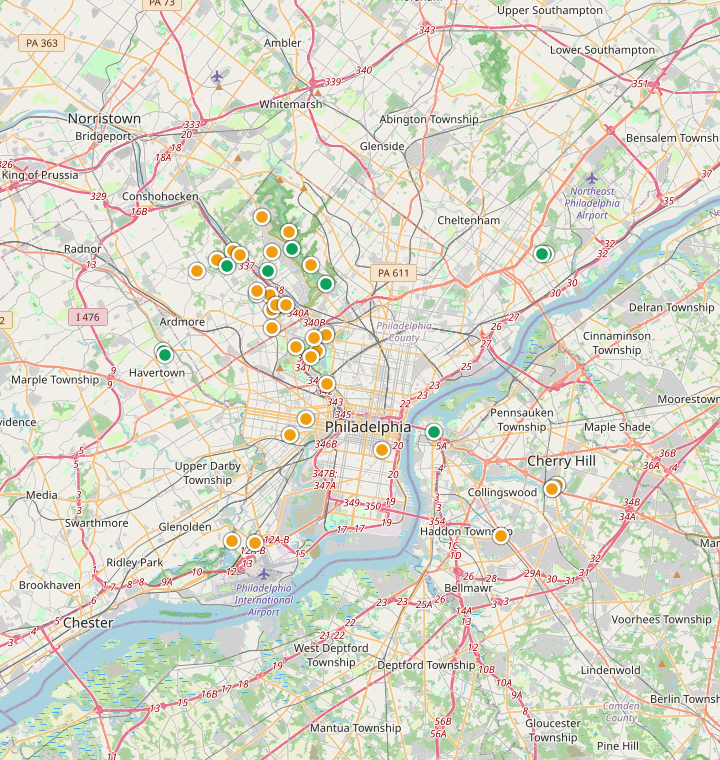
These candidates come straight from the latest community map data, ranked freshest first. Each one links to Street View, Google Maps directions and Google Maps so you can verify the signs before you drive. The last map update is shown for every spot.
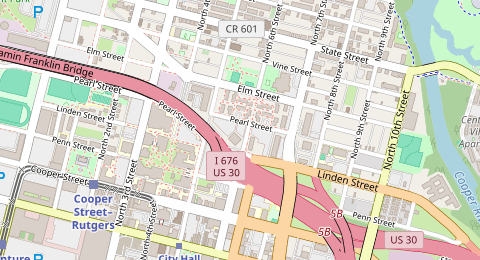
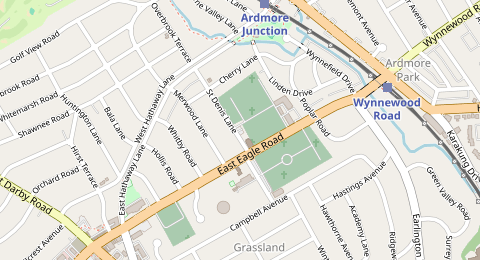
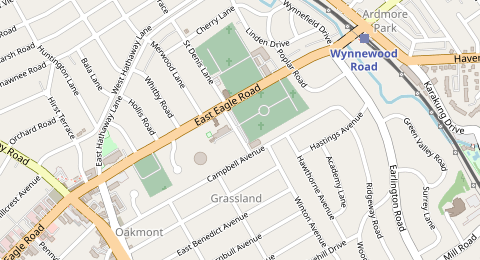
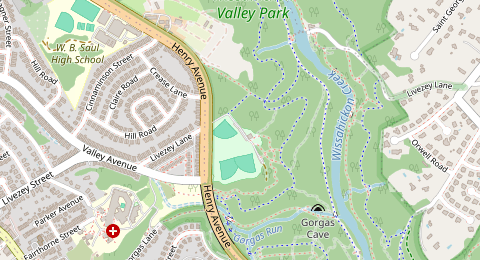
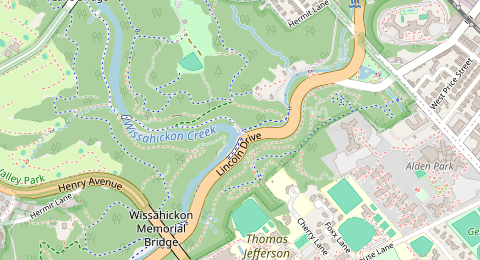
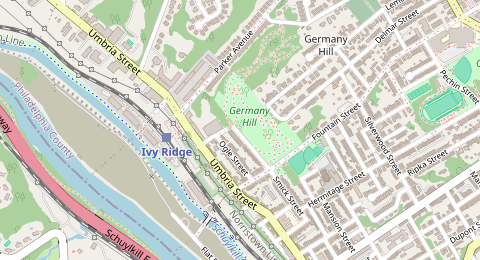
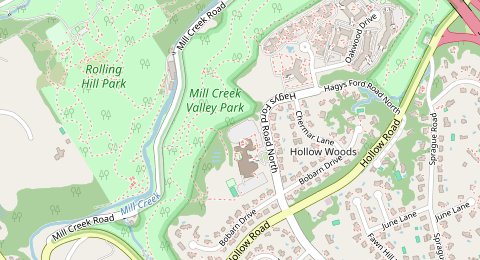
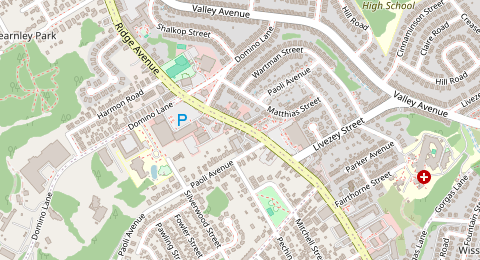
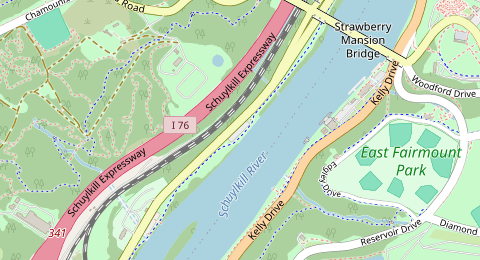
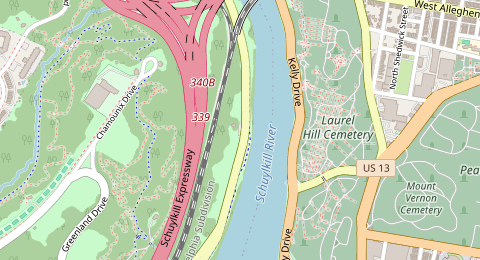
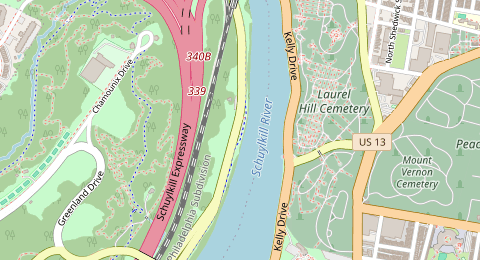
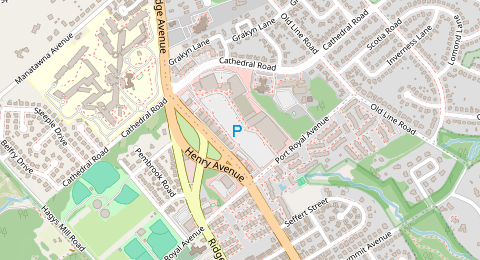
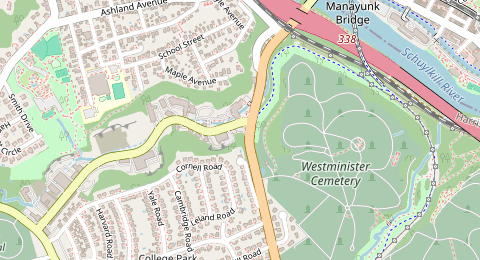
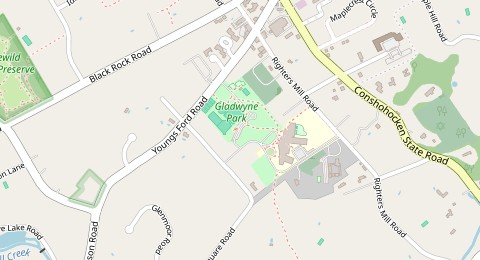
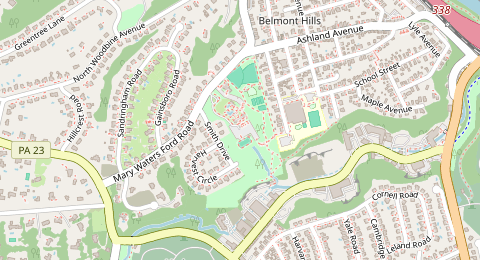
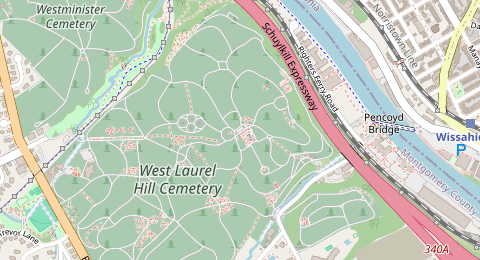
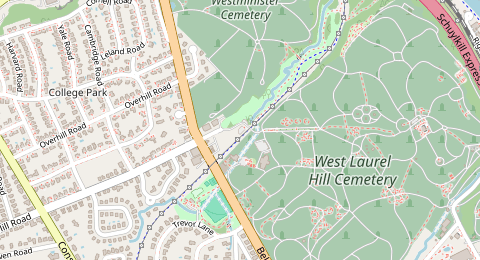
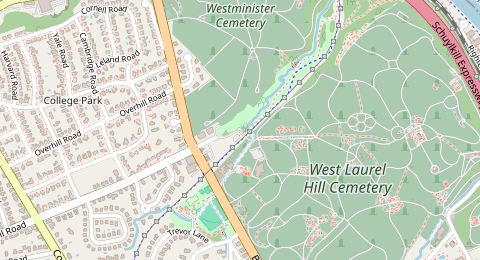
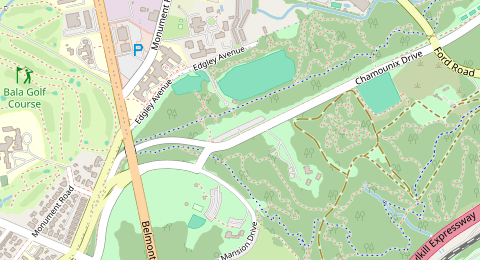
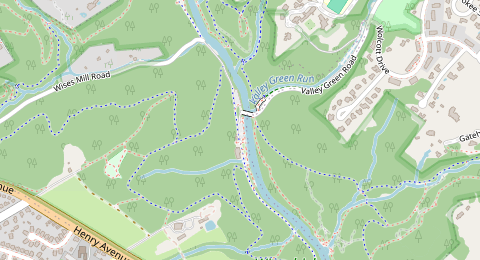
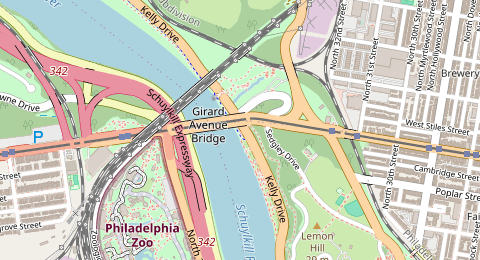
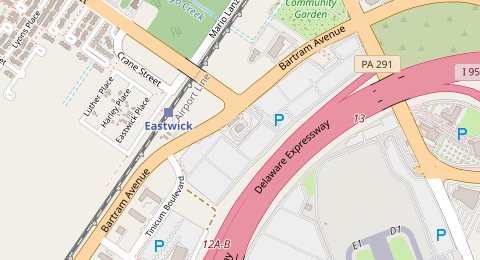
Spots are likely-free candidates based on OpenStreetMap data, not a guarantee. Parking rules change by street, side and time — always confirm the signs on arrival.
123 probable free parking candidates are available on the Philadelphia map, including 9 fresh, 32 medium-fresh and 82 older data points. Open the map to compare candidates visually, then use Street View and Google Maps navigation from each marker.
Philadelphia street parking is managed with a mix of PPA meters, residential permit districts, time limits, loading zones, bike-lane restrictions, and temporary no-parking rules. In the historic core and around major destinations, most convenient curb space is paid, time-limited, permit-restricted, or actively enforced. Likely free parking becomes more plausible as you move toward residential areas in the Northeast, Northwest, parts of West Philadelphia beyond the Penn/Drexel core, and park-edge locations, but even these areas can have permit signs, street cleaning, bus zones, hydrant restrictions, and temporary postings. Treat the map as a discovery tool, not a guarantee: use it to identify promising blocks, then read the signs in Street View and again at the curb.
These are practical starting points for finding likely free parking in Philadelphia. Use them as a shortlist, then verify signs on Street View and on arrival.
Residential areas farther from Center City often have more curb supply than the historic core. Blocks away from commercial corridors, transit stations, and schools may be worth checking for likely free spaces.
Verify: Check for permit signs, school-hour restrictions, bus stops, hydrants, and narrow-street no-parking signs before relying on a spot.
These areas include many residential blocks outside the most intensively metered parts of the city. Side streets away from Main Street Manayunk, Germantown Avenue, Ridge Avenue, and station areas may be more promising.
Verify: Use Street View to confirm whether the block has permit parking, angled-parking rules, driveway curb cuts, or street-cleaning signs.
The university and medical core is highly controlled, but farther residential blocks may have some unmetered curb space. This is most useful if you are willing to walk or connect by transit.
Verify: Watch closely for Residential Permit Parking district signs and mechanical street-cleaning signs; many blocks west and southwest of University City have time limits or permit exceptions.
Philadelphia Parks & Recreation publishes public parking information for some park areas, including East Fairmount Park near Kelly Drive. These areas may be useful for park visits or as a starting point for walking, biking, or transit, depending on your destination.
Verify: Confirm whether the specific lot or road segment has time limits, event restrictions, park rules, or venue-related fees before leaving your car.
In neighborhoods like Port Richmond, Bridesburg, Germantown, Tacony, and parts of South and West Philadelphia, the best opportunities are often one or more blocks off the main shopping street rather than directly on the corridor.
Verify: Do not park on instinct: check the exact block face for meters, loading signs, residential permits, driveway cuts, and temporary no-parking postings.
In these parts of Philadelphia, free parking is less likely or the rules may be more complex.
These areas have dense curb demand, meters, loading zones, bus stops, resident restrictions, garages, and frequent enforcement. Truly free, convenient parking is uncommon.
Universities, hospitals, commuters, and transit users create heavy demand. Many nearby blocks have meters, permits, time limits, loading rules, or institutional restrictions.
Game and concert days can change normal parking patterns. Stadium lots are typically event-controlled, and surrounding residential streets may have restrictions or heavy enforcement.
Some blocks may be free, but curb space is tight and many streets use permit, time-limit, or street-cleaning rules. Evening demand can be especially high.
Popular restaurants, nightlife, apartments, and commercial loading needs make curb rules more complex. Free-looking spaces may be time-limited, metered, or permit-adjacent.
The city and PPA have added loading and no-stopping rules along parts of these bike-lane corridors. Do not stop or park beside protected bike-lane signage unless the sign clearly allows it.
SEPTA parking can be a good alternative to driving into Center City, but official station lots and garages often require daily payment and have their own rules, including overnight limits at some locations.
FreeParkMap is built around verification. Open a candidate spot, check the street visually, then confirm the nearest signs when you arrive.
This page shows likely free parking based on map data and public parking context. It does not guarantee that a space is free or legal; always verify the current posted signs, curb markings, temporary notices, and local rules before leaving your vehicle.
FreeParkMap is a discovery tool. It helps you build a shortlist of possible places to check, not a guarantee that a space is legal or free.
The page is designed for one simple workflow: discover, verify, navigate, then check signs on site.
Search for your Philadelphia destination and zoom out to nearby residential or park-edge areas where free parking is more likely.
Use the map markers and data freshness indicators to shortlist likely free blocks, avoiding obvious meters, garages, stations, venues, and commercial corridors.
Open Street View for each candidate block and read the signs on the exact side of the street you plan to use.
Navigate with Google Maps, then verify the posted signs, curb markings, temporary notices, hydrants, driveways, and street-cleaning rules before leaving the car.
Quick answers before using the map.
Yes, some Philadelphia streets may have free curb parking, especially outside the most central and commercial areas. However, many blocks have meters, time limits, residential permits, street-cleaning restrictions, or temporary no-parking signs, so every space must be verified.
It is usually more likely on outer residential side streets in Northeast Philadelphia, Northwest Philadelphia, parts of West Philadelphia away from the university and hospital core, and some park-edge areas. Look away from main commercial streets, transit stations, schools, hospitals, and event venues.
It is possible but not realistic to depend on. Center City has heavy demand, meters, loading zones, residential permit areas, bus zones, bike-lane restrictions, and active PPA enforcement. If you need to be on time, have a paid garage or lot backup.
A residential permit sign may allow permit holders to ignore a posted time limit, while visitors still have to follow the time limit. If the sign is unclear, do not assume the space is free for long-term parking.
Do not assume they are free. SEPTA states that daily-use parking fees apply at most SEPTA-owned surface lots and garages, and some locations have overnight or station-specific rules. Always check the station page and posted lot signs.
Be very cautious. The South Philadelphia Sports Complex has event-controlled parking, and surrounding neighborhoods can be crowded and restricted on game or concert days. Check signs carefully and consider official lots or SEPTA if you are not familiar with the area.
These notes explain which public information sources were used to make this page more specific.
Residential permit parking concepts, permit district caution, and the need to reference posted signs.
Overview of PPA on-street parking regulation, meters, permits, enforcement, and block-level management.
Pay-by-plate kiosks, meterUP behavior, zone-number caution, and time-limit guidance.
Enforcement context for Center City, University City, neighborhood commercial areas, residential permit parking, and street-cleaning districts.
SEPTA station parking, daily-use lot and garage payment concepts, overnight parking cautions, and park-and-ride fallback guidance.
Street-cleaning season, posted no-parking enforcement, and neighborhood cleaning-route cautions.
Heading somewhere else? Check likely free parking maps for more cities.
Review likely free spots, inspect signs with Street View, and open Google Maps navigation when a location looks worth trying.
Open Philadelphia map →