Fresh data Map updated 2026-07-07
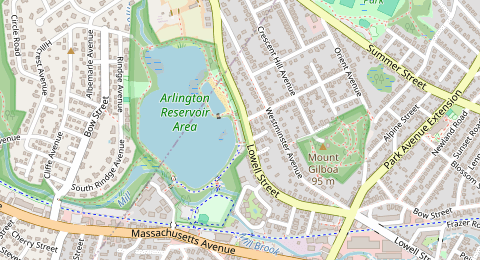
Reservoir Path, Boston
13 km from Boston centre
Boston has a dense curb system with meters, resident permit streets, visitor time limits, street sweeping, loading zones, and snow emergency rules layered block by block. Free parking is most realistic outside the downtown core and away from the busiest visitor, business, hospital, university, and waterfront areas. Use the map to shortlist likely free spaces, then confirm the latest curb signs in Street View and at the street before leaving your car.
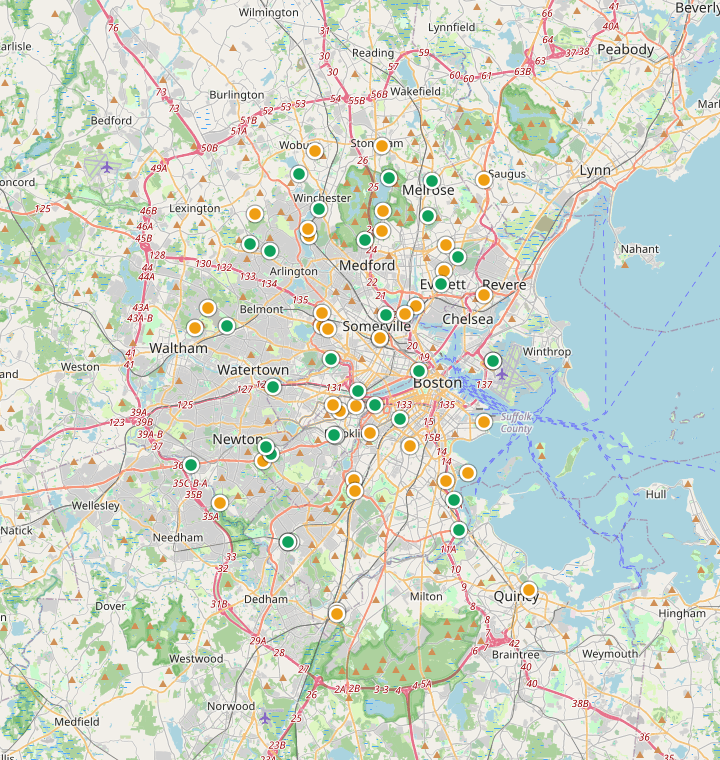
These candidates come straight from the latest community map data, ranked freshest first. Each one links to Street View, Google Maps directions and Google Maps so you can verify the signs before you drive. The last map update is shown for every spot.
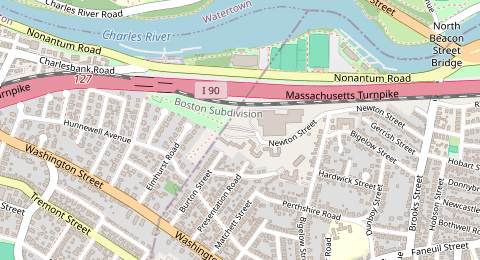
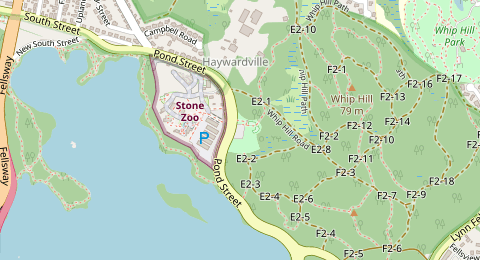
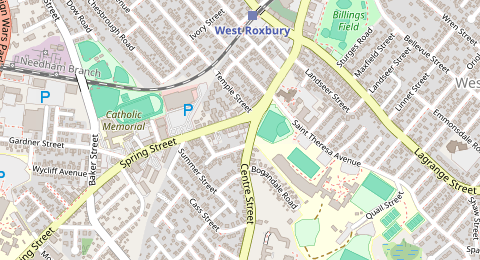
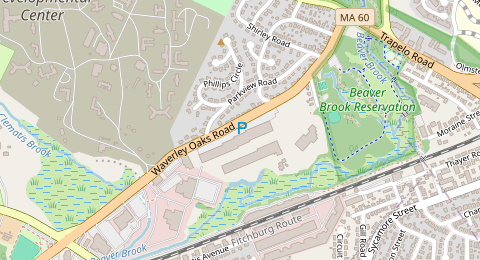
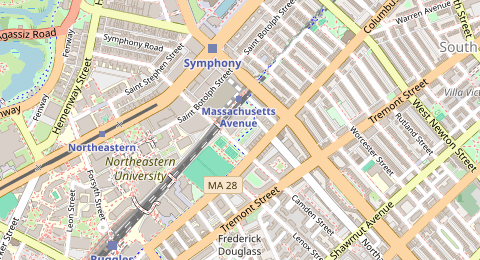
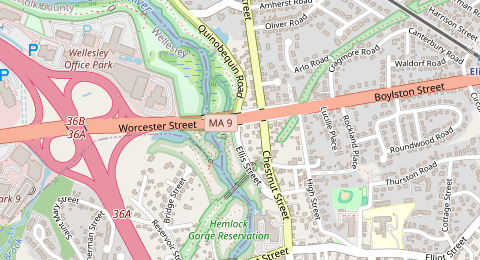
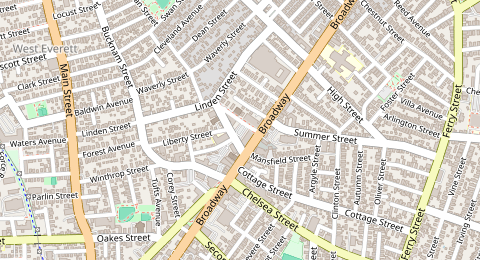
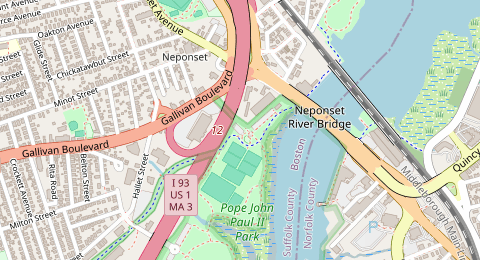
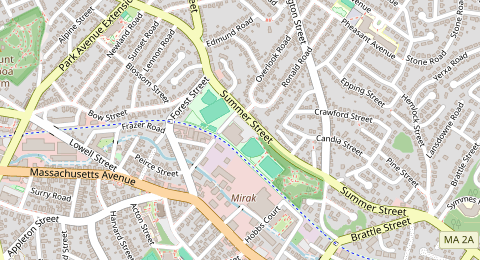
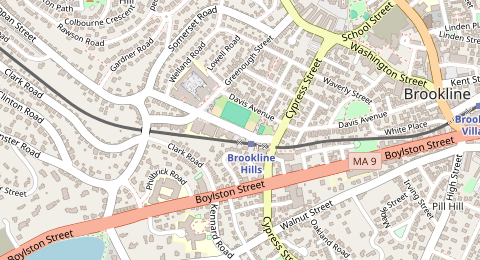
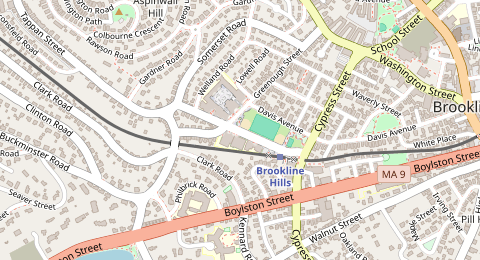
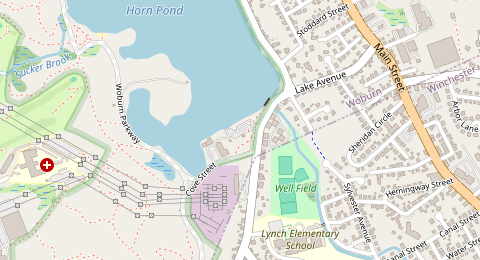
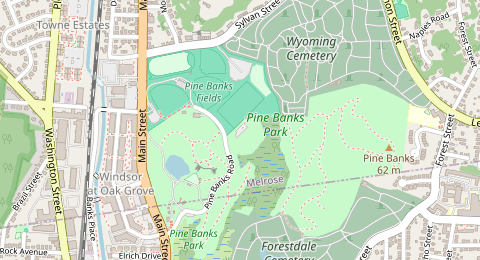
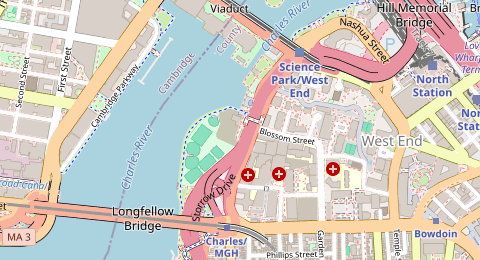
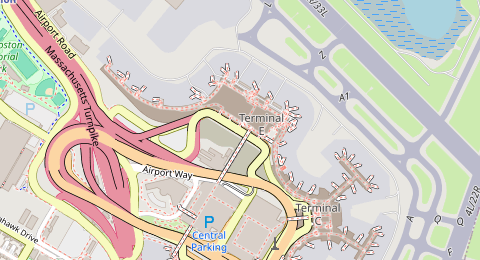
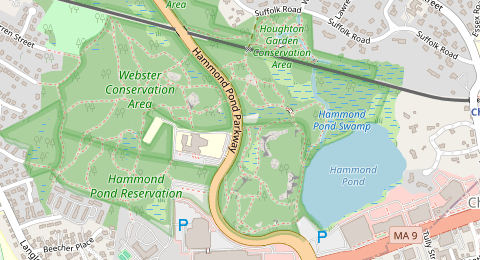
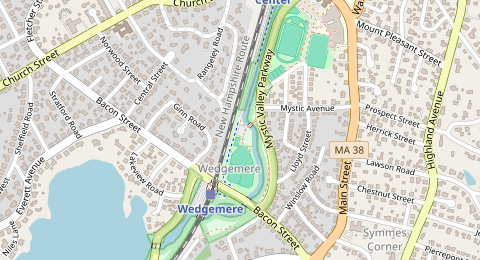
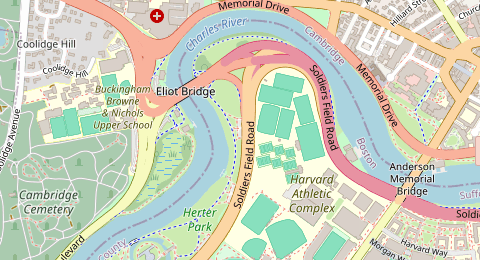
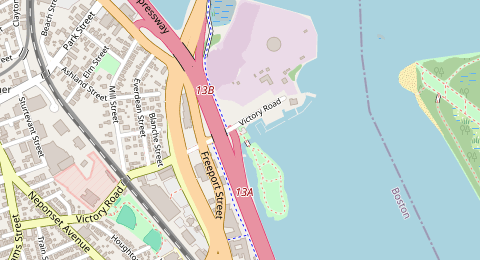
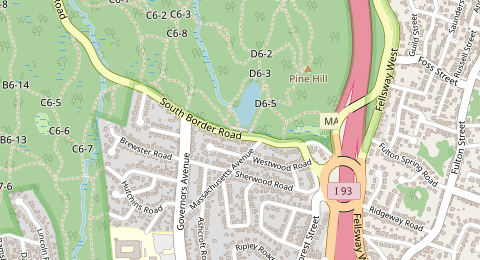
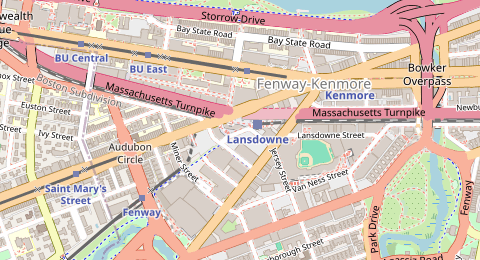
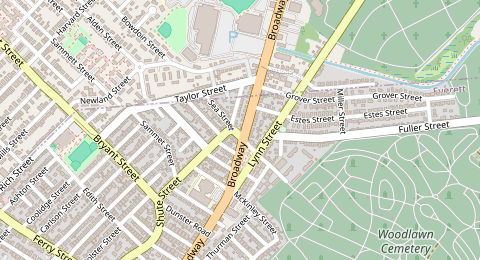
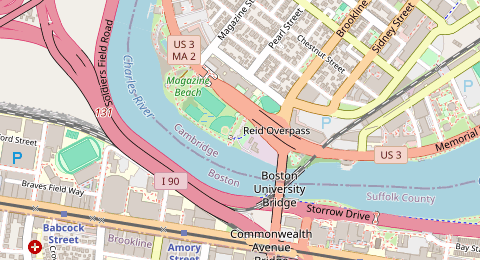
Spots are likely-free candidates based on OpenStreetMap data, not a guarantee. Parking rules change by street, side and time — always confirm the signs on arrival.
214 probable free parking candidates are available on the Boston map, including 27 fresh, 39 medium-fresh and 148 older data points. Open the map to compare candidates visually, then use Street View and Google Maps navigation from each marker.
Boston is one of the harder U.S. cities for free street parking because demand is high in the historic core and many residential streets are protected by resident permit rules. Downtown, Back Bay, Beacon Hill, the North End, the South End, Fenway/Kenmore, the Seaport, Chinatown, Longwood, and streets near major attractions usually have meters, garages, resident-only rules, short-term visitor spaces, or loading restrictions. More promising searches are usually in outer neighborhoods such as parts of West Roxbury, Hyde Park, Roslindale, Mattapan, Dorchester, and the less central edges of Allston-Brighton or Jamaica Plain, but even there you must check every sign. Boston also enforces street sweeping, meter time limits, resident permit zones, and winter snow emergency arteries, so a space that looks free on the map still needs on-street verification.
These are practical starting points for finding likely free parking in Boston. Use them as a shortlist, then verify signs on Street View and on arrival.
These neighborhoods are farther from the downtown visitor core and often have more residential street patterns than central Boston. Some blocks may be less controlled than streets near major commercial strips or transit stops.
Verify: Use Street View to confirm there is no “Resident Parking Only,” street cleaning, school, hydrant, driveway, or no-parking sign covering the exact side of the block.
Away from busy squares, main streets, and transit stations, some side streets may offer better chances of finding non-metered curb space. Conditions vary sharply by block, especially near business districts and schools.
Verify: Check both ends of the block for signs; Boston signs can apply by direction and may change from one side of the street to the other.
Allston-Brighton has a mix of student, residential, and commercial parking demand, but areas away from Harvard Avenue, Commonwealth Avenue, Brighton Center, and major campus corridors may be worth checking.
Verify: Look carefully for resident permit signs, overnight restrictions, street sweeping, and meters on streets near shops, restaurants, and MBTA stops.
Jamaica Plain has busy commercial and transit corridors, but some surrounding residential blocks may be worth checking if you are not trying to park directly in the business district.
Verify: Confirm whether the block is resident-only, time-limited, or affected by street sweeping; do not assume a quiet residential street is unrestricted.
Boston meters often cluster on commercial streets, while nearby residential blocks may have a different mix of permit, visitor, or unrestricted spaces. The best candidates are usually not the first block next to a major destination.
Verify: Compare the curb signs on the business street and the side street in Street View, then verify current signs in person before leaving the car.
If free street parking is not practical, parking at an outer MBTA station and taking transit into Boston may reduce the need to drive into the most restricted areas. Examples include larger station parking facilities on the Red, Blue, Orange, and Green Line corridors, but these are generally paid.
Verify: Check the MBTA station page for current parking availability, overnight rules, payment method, and whether the lot or garage allows the length of stay you need.
In these parts of Boston, free parking is less likely or the rules may be more complex.
These areas have high demand, meters, loading zones, bus lanes, short-term curb uses, garage traffic, and frequent restrictions. Free curb parking is unlikely and signs can change quickly by block.
These dense historic neighborhoods have extensive resident permit parking, metered commercial streets, street sweeping, narrow streets, and strong enforcement pressure near shopping, offices, and tourist areas.
The North End and nearby waterfront streets are popular, compact, and heavily controlled with resident parking, short-term rules, loading needs, and garage-oriented visitor parking.
These areas combine resident permit streets, restaurants, institutions, hospitals, event demand, and meter zones. Fenway event days can make curb availability and restrictions especially unpredictable.
The Seaport has heavy office, residential, hotel, restaurant, and event demand with many managed curb uses and paid garages. Free on-street parking should not be expected.
Hospital, campus, shuttle, accessible, loading, and short-term curb needs are common. Check signs carefully and avoid blocking patient, emergency, or service access.
Airport-adjacent and transit-adjacent streets can have resident permit rules, time limits, and high demand. Do not leave a vehicle for airport parking unless the location clearly allows it.
FreeParkMap is built around verification. Open a candidate spot, check the street visually, then confirm the nearest signs when you arrive.
This page highlights likely free parking candidates based on map context and public parking information. It does not guarantee a free or legal space; always verify the latest curb signs, temporary notices, and local rules before leaving your vehicle.
FreeParkMap is a discovery tool. It helps you build a shortlist of possible places to check, not a guarantee that a space is legal or free.
The page is designed for one simple workflow: discover, verify, navigate, then check signs on site.
Search Boston on the map and zoom into the neighborhood where you want to park.
Review likely free parking candidates, then open Street View for the exact side of the street and nearby sign posts.
Reject any spot with resident-only, meter, sweeping, loading, tow-zone, accessible, or time-limit rules that do not fit your visit.
Navigate with Google Maps, then verify the current curb signs in person before leaving your vehicle.
Quick answers before using the map.
Yes, some Boston streets may have free curb parking, but it is limited and highly dependent on the exact block, time, and signs. The best chances are usually outside the downtown core and away from major commercial, tourist, hospital, university, and event areas.
Free parking is more likely on carefully checked residential side streets in outer neighborhoods such as parts of West Roxbury, Hyde Park, Roslindale, Mattapan, Dorchester, and less central parts of Allston-Brighton or Jamaica Plain. Many streets in these areas still have resident permit or street cleaning rules, so verify signs before parking.
Downtown, Back Bay, Beacon Hill, the North End, the South End, Fenway/Kenmore, the Seaport, Chinatown, Longwood, and the waterfront are usually difficult. These areas often have meters, resident-only signs, loading zones, visitor time limits, garages, and strong demand.
Only if the posted restriction is not active or if the sign specifically allows visitor parking under the posted conditions. When a “Resident Parking Only” restriction is active, you generally need the correct neighborhood resident permit.
Boston states that meters are free on Sundays and City holidays, but all other parking regulations still apply. Always check for resident-only rules, street cleaning, loading zones, accessible spaces, and tow-zone signs.
Boston can ticket and tow vehicles parked in violation of street sweeping regulations. Check the posted sweeping schedule on the block and use the City’s street sweeping lookup if you are unsure.
These notes explain which public information sources were used to make this page more specific.
Resident permit rules, visitor parking concepts, and the need to match the neighborhood shown on signs.
Meter hours, Sunday and City holiday meter guidance, payment methods, and ParkBoston context.
Street sweeping seasons, daytime and nighttime sweeping patterns, and ticket/tow risk.
Snow emergency parking restrictions, snow emergency arteries, and special garage/lot guidance.
Boston neighborhood names and local geographic context.
Park-and-ride station parking concept, paid station parking, and station examples.
Heading somewhere else? Check likely free parking maps for more cities.
Review likely free spots, inspect signs with Street View, and open Google Maps navigation when a location looks worth trying.
Open Boston map →