Fresh data Map updated 2026-07-04
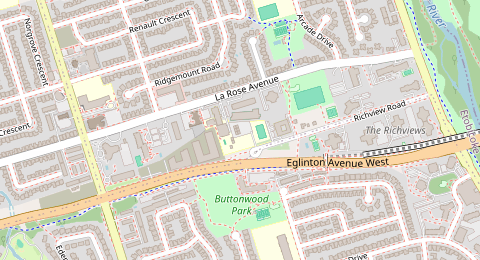
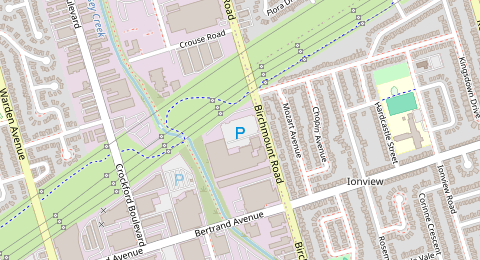
La Rose Avenue 125, Etobicoke, Toronto
12 km from Toronto centre
Toronto has a mix of paid Green P parking, residential permit streets, busy main roads, transit station lots, and quieter outer neighbourhood streets. Free curb parking is most realistic when you look beyond the downtown core and verify every sign before leaving your car. Use the map as a starting point, then confirm with Street View, data freshness, and the signs on the block.
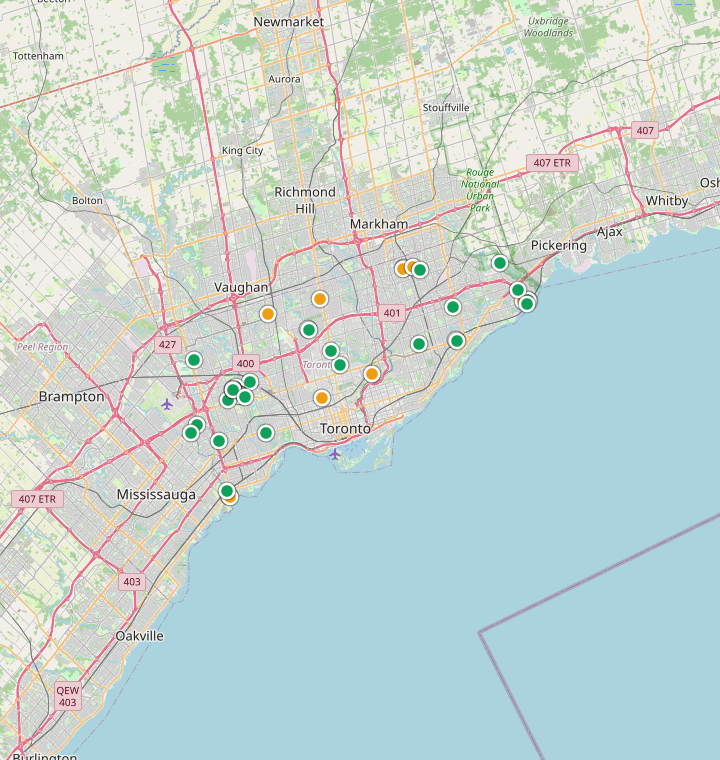
These candidates come straight from the latest community map data, ranked freshest first. Each one links to Street View, Google Maps directions and Google Maps so you can verify the signs before you drive. The last map update is shown for every spot.
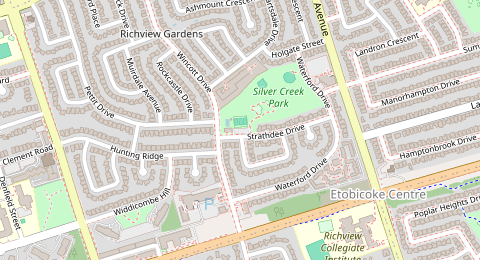
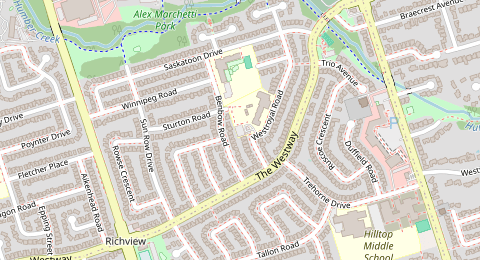
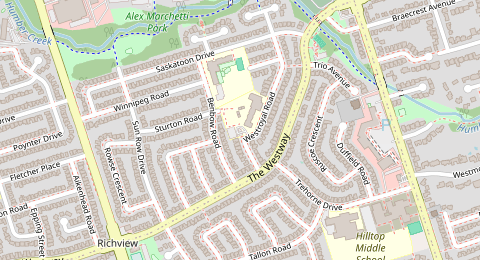
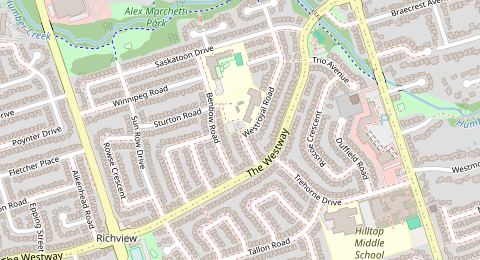
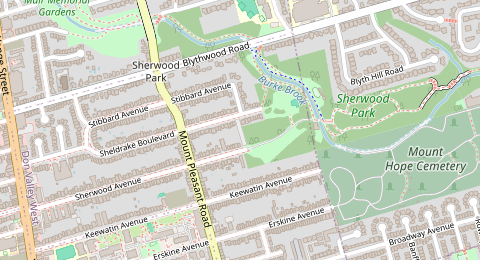
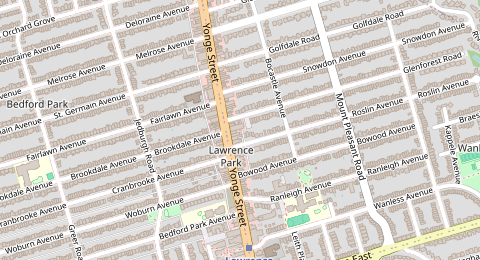
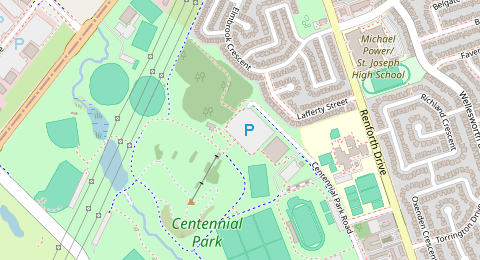
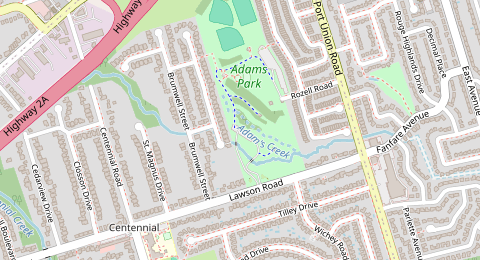
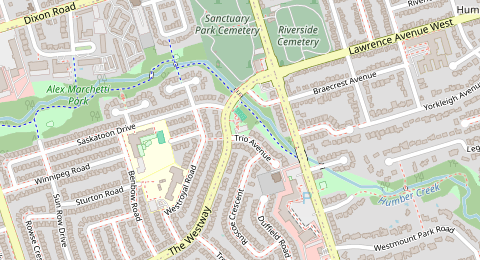
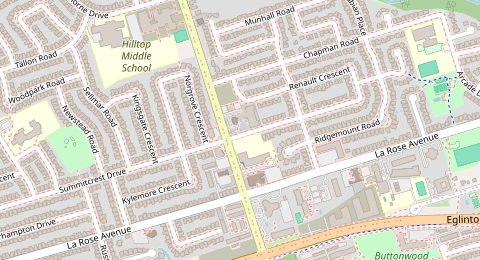
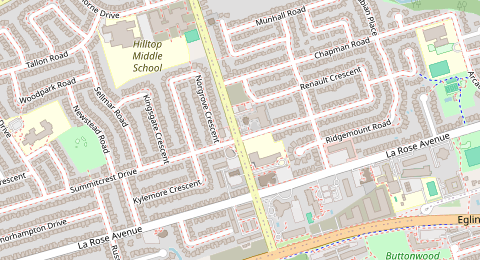
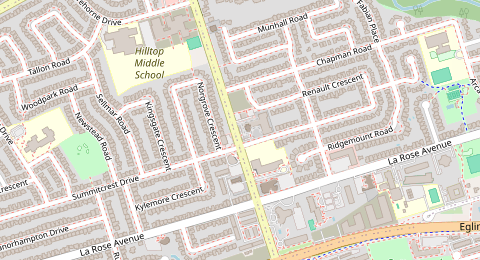
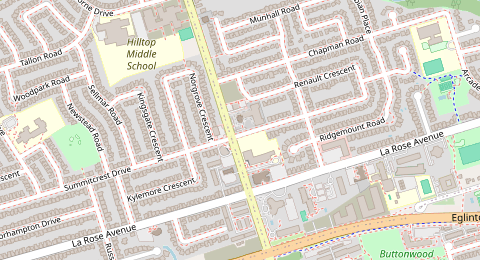
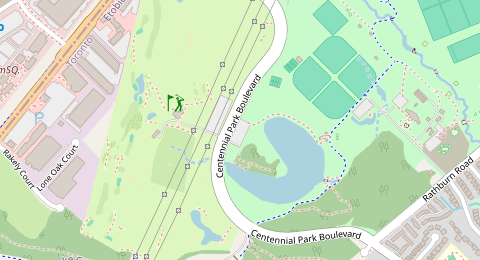
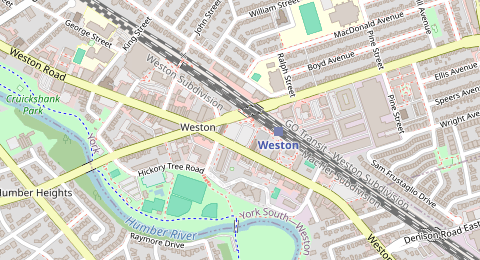
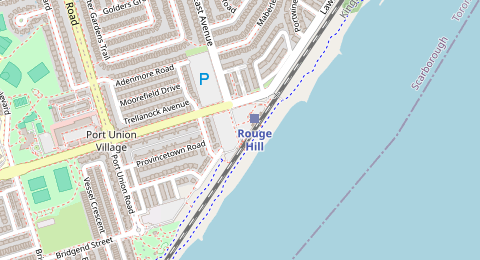
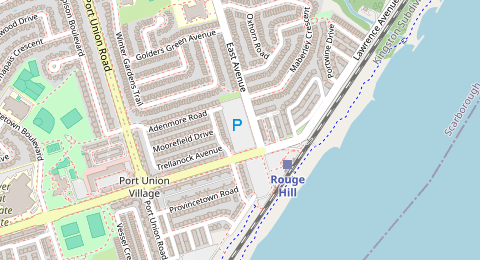
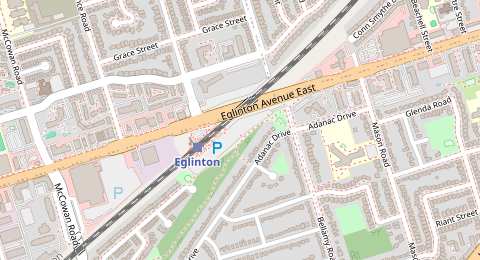
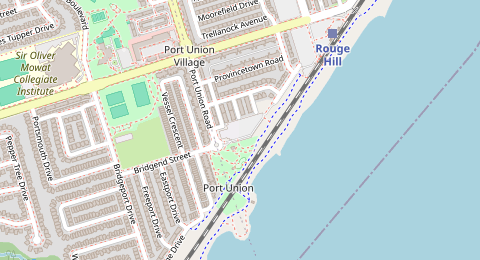
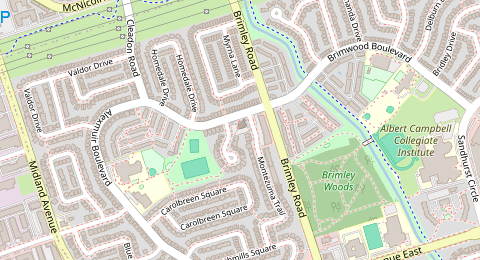
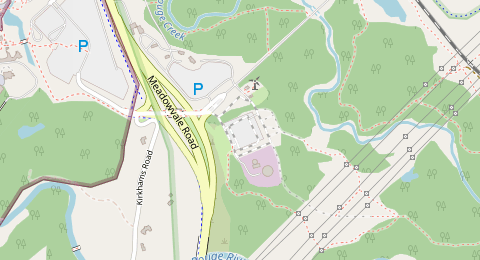
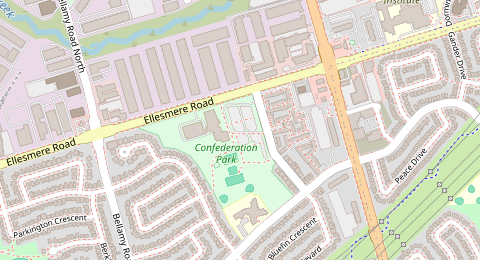
Spots are likely-free candidates based on OpenStreetMap data, not a guarantee. Parking rules change by street, side and time — always confirm the signs on arrival.
108 probable free parking candidates are available on the Toronto map, including 30 fresh, 11 medium-fresh and 67 older data points. Open the map to compare candidates visually, then use Street View and Google Maps navigation from each marker.
Toronto is one of Canada's most controlled parking environments. In the city centre, many curb spaces are paid, time-limited, affected by rush-hour stopping rules, or replaced by loading zones, bike lanes, patios, construction, and transit priority measures. Residential permit parking is common in older neighbourhoods such as the former City of Toronto, East York, and York, while outer parts of the city may have more unsigned or lightly signed side streets. Even on streets that look unrestricted, Toronto's general parking rules can still apply, so users should treat the map as a guide to likely opportunities rather than a guarantee of free parking.
These are practical starting points for finding likely free parking in Toronto. Use them as a shortlist, then verify signs on Street View and on arrival.
Away from town centres, shopping plazas, schools, and major arterials, some residential streets may have fewer paid or permit controls than central Toronto.
Verify: Check for unsigned-limit rules, school-zone restrictions, snow-route signs, driveway clearance, and any local no-parking panels.
Residential blocks farther from the busiest corridors and station entrances may be worth checking for short-stay curb parking.
Verify: Use Street View to confirm the side of the street, sign arrows, hydrants, and whether the block has permit or time-limit signs.
Some Etobicoke areas are less dense than the downtown core and may have more residential curb space, especially away from transit hubs and retail strips.
Verify: Avoid blocking driveways and check for posted overnight, school, snow, or local area restrictions before relying on a space.
Some side streets away from commercial strips may be useful for shorter visits, although permit parking is more common here than in many outer areas.
Verify: Look carefully for 'Except by permit' wording and posted hours; a space can look open but still be resident-only at night.
In some employment areas, curb demand may drop outside business hours, making legal curb space easier to find than near retail or event destinations.
Verify: Confirm that the curb is not a loading zone, truck route restriction, private property edge, fire route, or overnight no-parking area.
Parking slightly farther from downtown or major attractions and using TTC for the final leg can be more realistic than circling near the venue.
Verify: Compare the map with Street View and nearby TTC options, and do not assume streets around stations are unrestricted because commuter demand often brings extra controls.
In these parts of Toronto, free parking is less likely or the rules may be more complex.
Curb space is highly controlled by paid parking, loading, construction, taxi and ride-hail activity, events, and no-stopping rules.
Visitor and event demand is high, and curb rules can change during games, concerts, festivals, and construction.
Short blocks, deliveries, patios, bike lanes, paid spaces, and resident permit streets make signs especially important.
These areas often have paid parking, passenger loading, accessible spaces, medical pick-up/drop-off needs, and strict stopping restrictions.
Many streets in older neighbourhoods have permit parking, posted time limits, or overnight restrictions that are easy to miss.
A curb lane may change from parking to no-stopping by time of day, or may be reserved for bikes, transit, loading, or traffic flow.
FreeParkMap is built around verification. Open a candidate spot, check the street visually, then confirm the nearest signs when you arrive.
This page shows likely free parking opportunities, not guaranteed free spaces. Always verify current curb signs, local bylaws, temporary restrictions, and property rules before parking.
FreeParkMap is a discovery tool. It helps you build a shortlist of possible places to check, not a guarantee that a space is legal or free.
The page is designed for one simple workflow: discover, verify, navigate, then check signs on site.
Enter your Toronto destination and planned arrival time to see likely free parking areas nearby.
Compare the map results with data freshness and focus on lower-risk side streets outside the busiest paid or permit-heavy zones.
Open Street View for any promising block and verify signs, arrows, hydrants, driveways, bike lanes, and curb restrictions.
Navigate with Google Maps, then do a final sign check in person before leaving your vehicle.
Quick answers before using the map.
Yes, but it is not guaranteed and it is much harder in central areas. Free parking is more likely on some outer residential or less busy side streets, but Toronto's general time limits, permit rules, and posted signs still apply.
It is generally more realistic in outer neighbourhoods and side streets away from downtown, subway stations, major shopping streets, hospitals, and event venues. Parts of Scarborough, North York, and Etobicoke may be worth checking, but every block must be verified.
Sometimes, but downtown free parking is difficult and often short-term. Many downtown streets have paid Green P spaces, no-stopping periods, permit rules, loading zones, bike lanes, or event restrictions.
No visible sign does not mean unlimited parking. Toronto has a general unsigned maximum parking limit on public roads unless signs indicate another rule.
Green P spaces are usually paid public parking unless the posted local conditions clearly say otherwise. Always check the machine, app, lot entrance, or curb signs for current rules.
Only if the posted rules allow it or the visitor has a valid temporary permit for that street or area. Permit signs are especially common in older residential neighbourhoods.
These notes explain which public information sources were used to make this page more specific.
General Toronto parking rules, unsigned maximum parking limit, and the distinction between No Parking, No Standing, and No Stopping.
Residential permit parking context and how permit parking works in designated areas.
Visitor and temporary permit concepts for eligible permit streets or areas.
Official Toronto public parking system context for paid on-street and off-street parking.
TTC commuter parking, station-lot context, and warnings to check posted lot conditions.
Visitor-focused context that downtown parking is commonly time-limited and often paid.
Heading somewhere else? Check likely free parking maps for more cities.
Review likely free spots, inspect signs with Street View, and open Google Maps navigation when a location looks worth trying.
Open Toronto map →