Fresh data Map updated 2026-07-07
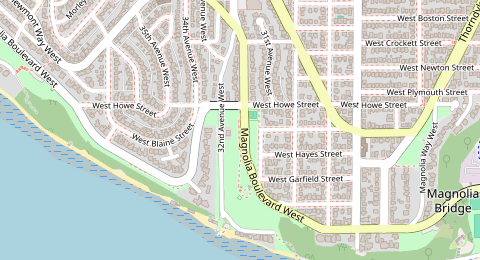
Magnolia Boulevard West, Magnolia, Seattle
5.9 km from Seattle centre
Seattle has a tightly managed curb system in downtown, Belltown, Capitol Hill, the University District, Ballard, Columbia City, and other busy neighborhood centers. Free parking is more likely on unrestricted residential block faces, at selected transit park-and-ride facilities, or outside the core of paid and Restricted Parking Zone areas. Use the map to compare likely free spots with Street View before you drive, then verify every sign at the curb.
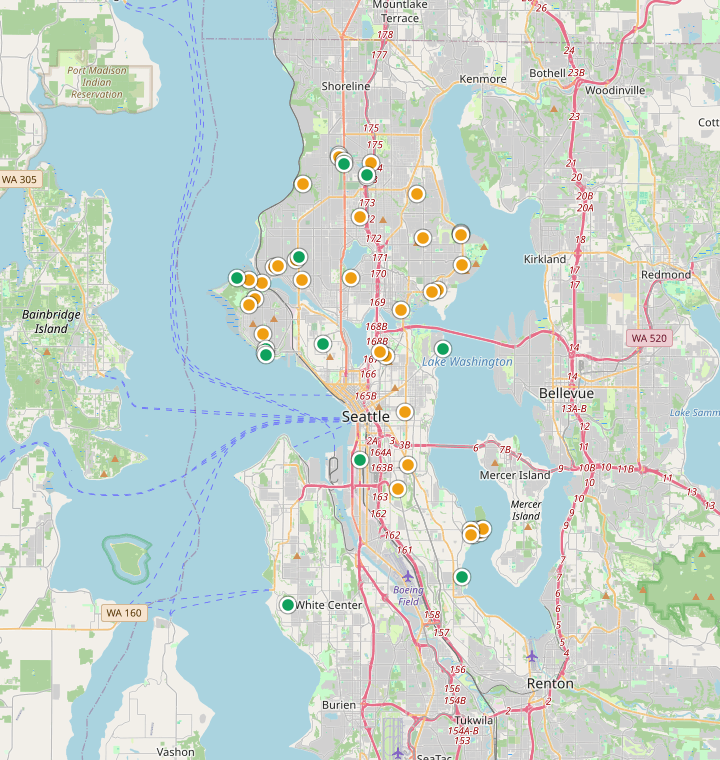
These candidates come straight from the latest community map data, ranked freshest first. Each one links to Street View, Google Maps directions and Google Maps so you can verify the signs before you drive. The last map update is shown for every spot.
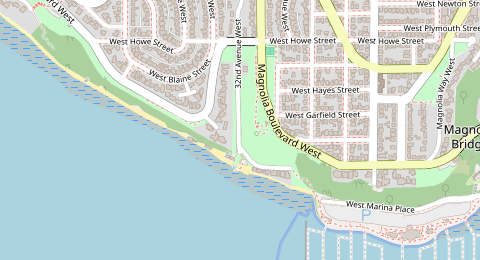
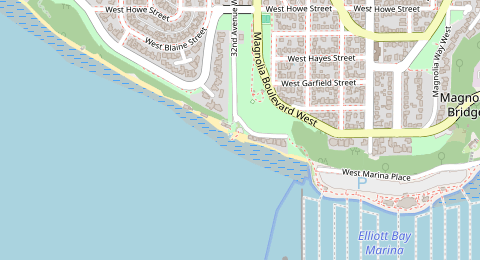
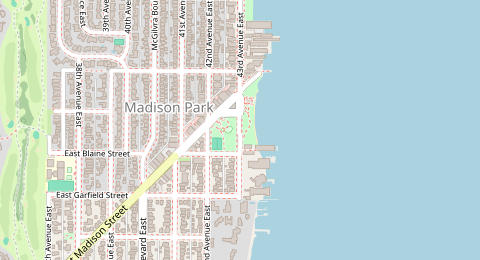
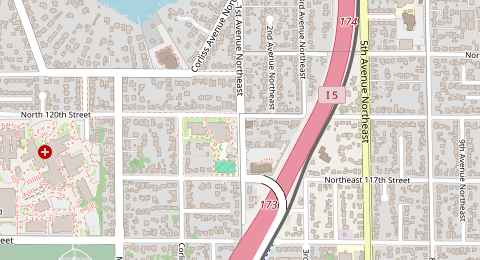
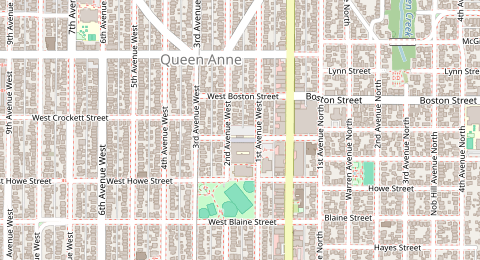
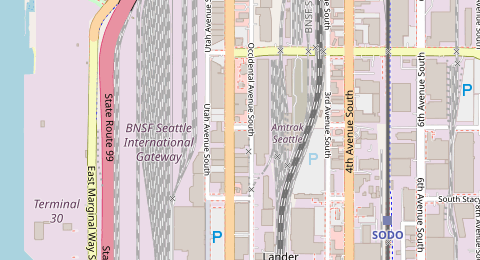
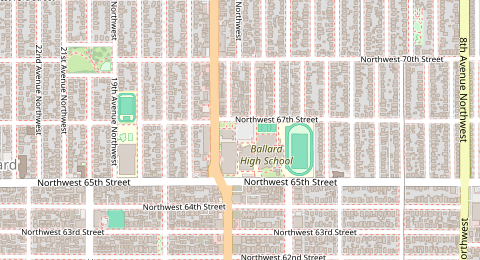
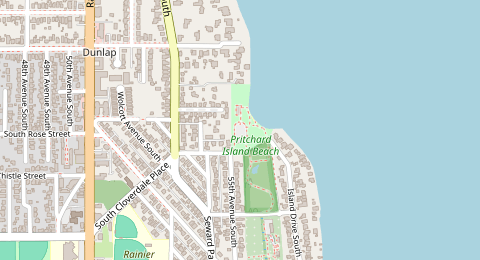
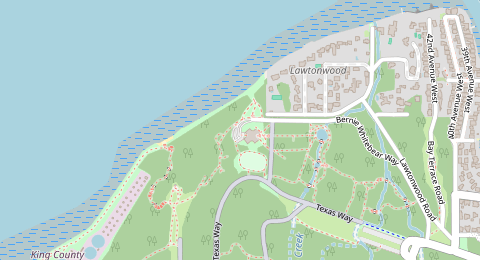
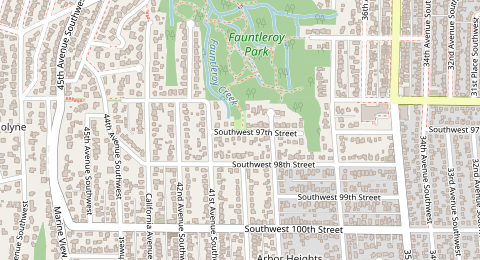
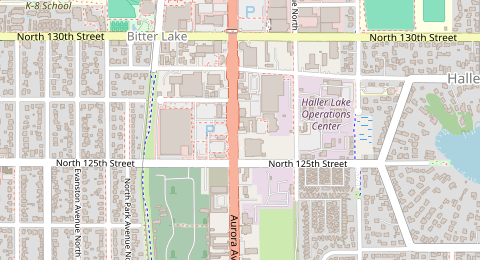
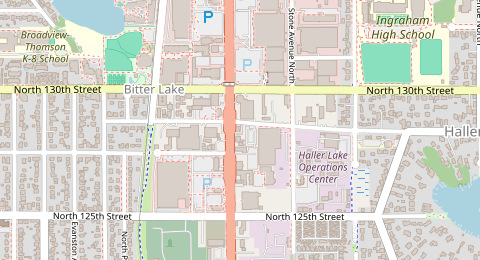
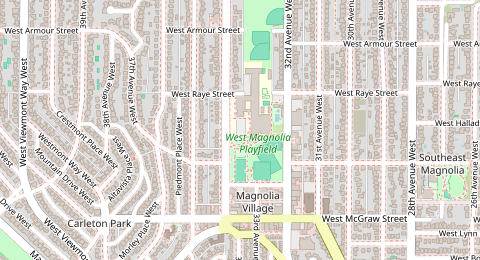
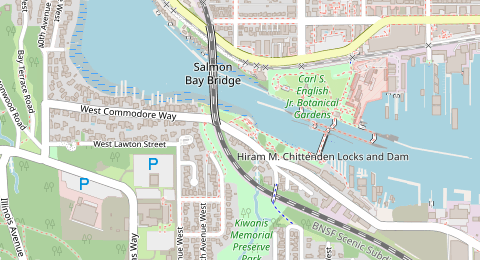
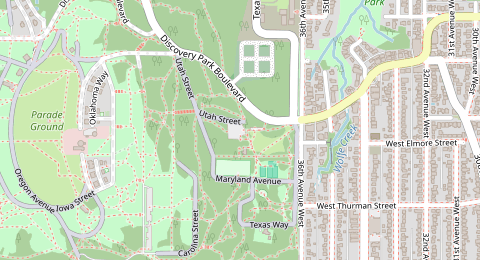
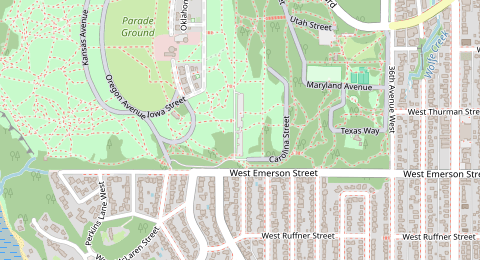
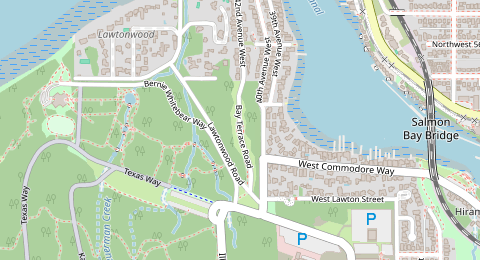
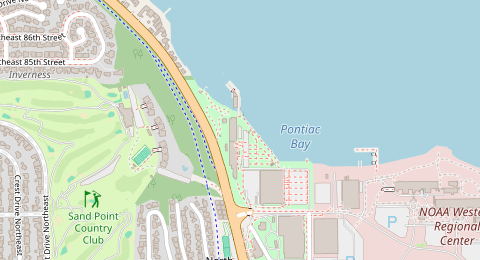
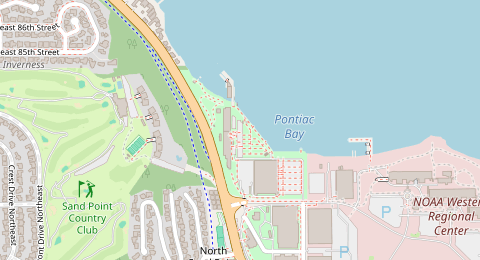
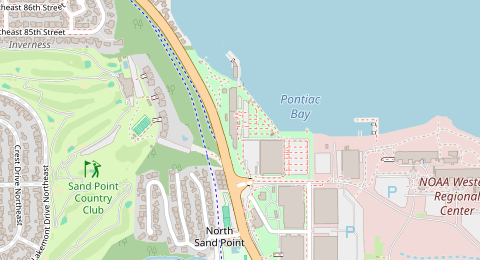
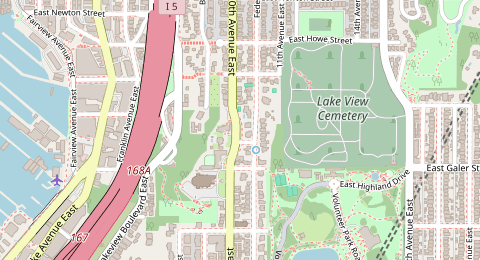
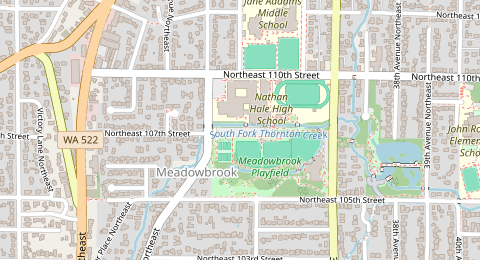
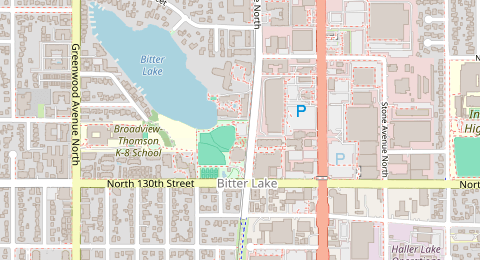
Spots are likely-free candidates based on OpenStreetMap data, not a guarantee. Parking rules change by street, side and time — always confirm the signs on arrival.
185 probable free parking candidates are available on the Seattle map, including 13 fresh, 37 medium-fresh and 135 older data points. Open the map to compare candidates visually, then use Street View and Google Maps navigation from each marker.
Finding free parking in Seattle is usually hardest in the central city and around major destinations such as Pike Place Market, the waterfront, Pioneer Square, Belltown, South Lake Union, Capitol Hill, First Hill, the University District, Seattle Center, and the stadium area. SDOT manages paid street parking and RPZs, and many central curb spaces are reserved for loading, transit, short stays, temporary construction zones, or event operations. The best strategy is to search just outside paid or RPZ blocks, look for unrestricted block faces on the official parking map, and verify the exact curb in Street View. For trips into downtown or event areas, an official park-and-ride such as Northgate or selected West/South Seattle lots may be a better starting point than circling central neighborhoods.
These are practical starting points for finding likely free parking in Seattle. Use them as a shortlist, then verify signs on Street View and on arrival.
These are the most realistic places to find likely free street parking in Seattle. Use the official Seattle Parking Map and this site’s data layer to look beyond the business-district core rather than inside the highest-demand paid zone.
Verify: Confirm there is no pay sign, RPZ plate, time-limit sign, temporary no-parking board, driveway, loading zone, or peak-hour tow-away sign on your exact side of the block.
Seattle’s neighborhood centers often have paid or time-limited parking on commercial streets, while nearby residential edges may have less controlled curb space. The useful spots are usually not on the main restaurant or retail block.
Verify: Use Street View to check whether the side street is inside an RPZ or has a short time limit. Do not assume the whole neighborhood has the same rule.
Northgate is one of the more practical park-and-ride approaches for reaching central Seattle by Link light rail. King County Metro lists several Northgate park-and-ride facilities, including designated no-charge transit parking areas at Northgate Station Garage, with important level and customer restrictions.
Verify: Check the specific facility and level before parking. Avoid mall-customer-only, rooftop, retail, residential, or paid sections, and recheck current construction notices.
This official park-and-ride is in southwest Seattle and can be useful for bus access when you do not want to drive into downtown. Metro’s park-and-ride page states its transit-customer permit parking program is suspended and Metro park-and-rides are no-charge, first-come, first-served, unless special rules apply.
Verify: Verify the lot is appropriate for your transit trip and that it is not reserved for special use, construction, carpool-only use, or temporary restrictions.
This West Seattle-area park-and-ride may be useful for transit access toward downtown or SODO instead of searching near event areas. It is small, so availability may vary.
Verify: Check Metro’s current listing, posted lot signs, and whether spaces are intended for transit customers only.
Seattle Center has official paid facilities and heavy event demand. If you are willing to walk or connect by transit, streets farther from the venue may have more opportunities than the blocks immediately around the campus.
Verify: Watch carefully for RPZ signs, event restrictions, temporary no-parking easels, and short time limits. Do not park in front of driveways or loading zones.
In these parts of Seattle, free parking is less likely or the rules may be more complex.
These areas have high demand, paid parking, loading zones, bus zones, temporary restrictions, and garage-based parking options. A curb that looks open may be restricted by time of day or use type.
These neighborhoods combine nightlife, hospitals, apartments, paid parking, RPZs, and overlapping rules on some blocks. Always read the whole sign stack before leaving the car.
The area around the University of Washington, light rail, apartments, and commercial streets has strong parking demand and frequent time limits or permit controls.
Seattle Center events can create heavy demand and temporary restrictions. Official Seattle Center parking is paid, and nearby residential streets may be RPZ-controlled.
Event days can change parking availability quickly. Metro lists Stadium Station and SODO Station as having no transit customer parking, with paid lots nearby in some cases.
Many central Link stations are not park-and-ride stations. Metro’s parking list marks several of these stations as having no transit customer parking, so do not assume a light rail station has a free lot.
Northgate has useful transit parking, but rules differ by garage, level, day, arrival time, and customer type. Some areas are for mall, retail, residential, or paid parking rather than general transit parking.
FreeParkMap is built around verification. Open a candidate spot, check the street visually, then confirm the nearest signs when you arrive.
This page highlights likely free parking based on available map and curb data. It cannot guarantee a legal or free space; always verify current street signs, curb markings, temporary restrictions, and local rules before leaving your vehicle.
FreeParkMap is a discovery tool. It helps you build a shortlist of possible places to check, not a guarantee that a space is legal or free.
The page is designed for one simple workflow: discover, verify, navigate, then check signs on site.
Enter your Seattle destination and scan the nearby map for likely free parking candidates, not just the closest space.
Open each candidate and review data freshness, curb type, and whether it appears outside paid, RPZ, loading, or temporary restriction areas.
Use Street View to read the signs on the exact side of the street and confirm the space still looks usable.
Navigate with Google Maps, then recheck the real curb signs before leaving your vehicle.
Quick answers before using the map.
Yes, some Seattle streets may have free or unrestricted parking, especially outside paid business districts and RPZ-controlled residential areas. However, Seattle has many block-by-block rules, so you must verify signs at the curb before parking.
It is most likely on unrestricted residential block faces outside paid parking areas, outside RPZs, or at selected official park-and-ride facilities. The best approach is to search just beyond the core of your destination and verify the exact block in Street View.
SDOT states that paid parking is generally free on Sundays and that time limits generally do not apply, but special events and posted signs can create exceptions. Always read the current sign and pay-station instructions.
RPZ means Restricted Parking Zone. These zones limit how long non-permit vehicles can park on signed residential streets, while eligible permit holders may have different privileges. If you do not have the correct RPZ permit, follow the posted time limit.
Not at every station. Many central Link stations, including several in Seattle, have no transit customer parking. Northgate has official park-and-ride options, but the exact rules vary by facility and level, so check current Metro or Sound Transit guidance before relying on it.
King County Metro says its transit-customer permit parking program is suspended until further notice and that Metro park-and-rides are no-charge, first-come, first-served. Some facilities have special rules, permit sections, carpool-only use, construction impacts, or Sound Transit policies, so check the specific lot.
These notes explain which public information sources were used to make this page more specific.
General Seattle parking context, SDOT-managed on-street parking, Seattle Parking Map, and downtown ePark/garage references.
Paid parking days, general time-limit patterns, and Seattle paid parking area context.
Official parking map layers including paid parking, RPZs, unrestricted parking areas, facilities, and temporary no-parking information.
Street sign interpretation, RPZ signs, time-limited parking, peak-hour restrictions, curb colors, loading zones, and no-parking rules.
Restricted Parking Zone purpose, permit limitations, overlap with paid parking in some zones, and the citywide 72-hour street parking rule.
Park-and-ride availability, no-charge first-come Metro parking while permit parking is suspended, Northgate details, and station parking notes.
Heading somewhere else? Check likely free parking maps for more cities.
Review likely free spots, inspect signs with Street View, and open Google Maps navigation when a location looks worth trying.
Open Seattle map →