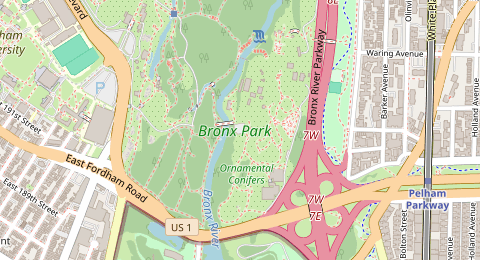
Fresh data Map updated 2026-06-09
Stone Mill Road, The Bronx, New York
20 km from New York centre
New York City has one of the most controlled curbside parking environments in the United States, with meters, alternate side parking, loading zones, bus stops, hydrants, and complex sign stacks across all five boroughs. Free street parking is still possible, especially on some residential side streets outside the busiest commercial corridors, but every space needs sign-by-sign verification before you leave the car.
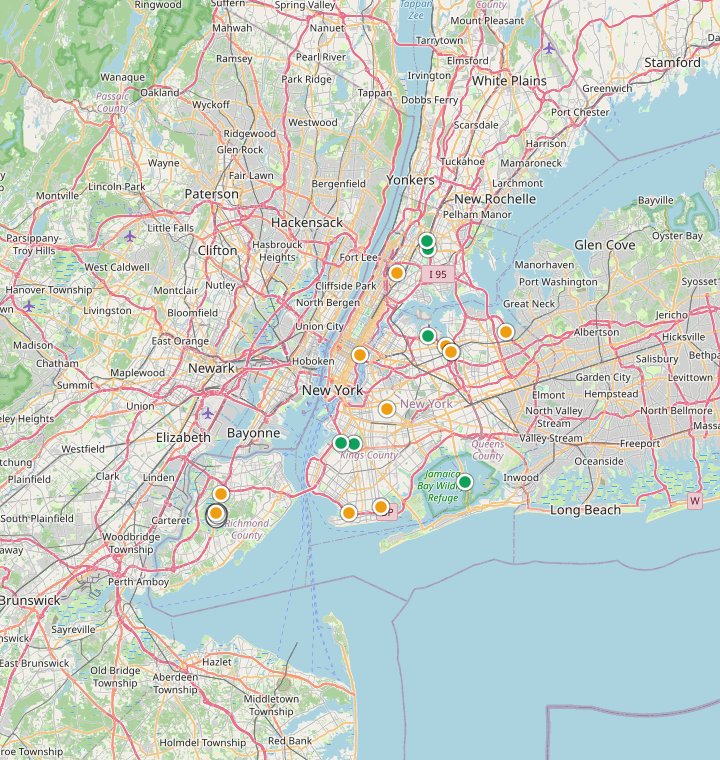
These candidates come straight from the latest community map data, ranked freshest first. Each one links to Street View, Google Maps directions and Google Maps so you can verify the signs before you drive. The last map update is shown for every spot.
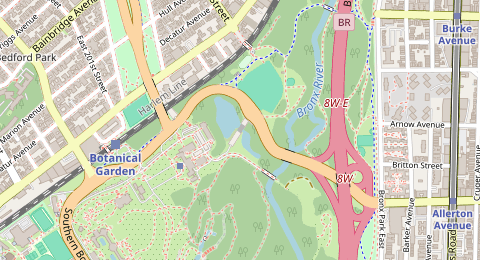
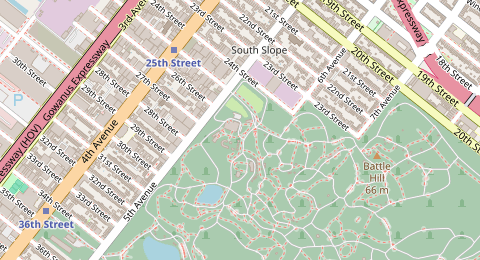
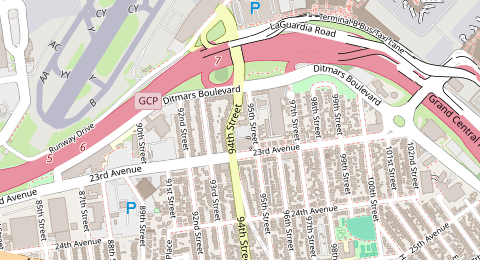
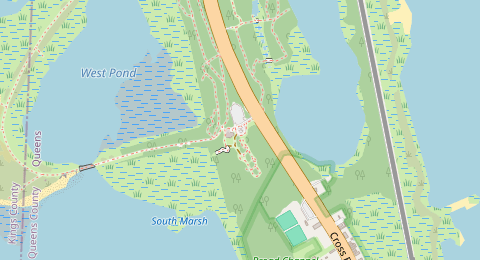
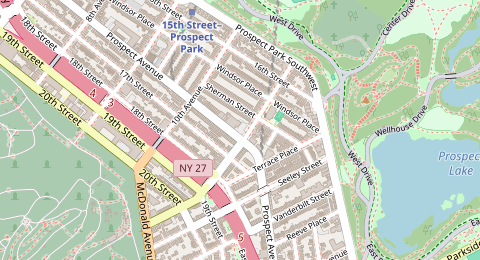
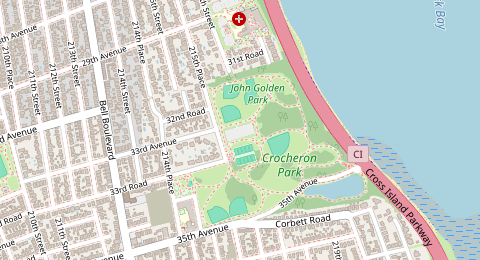
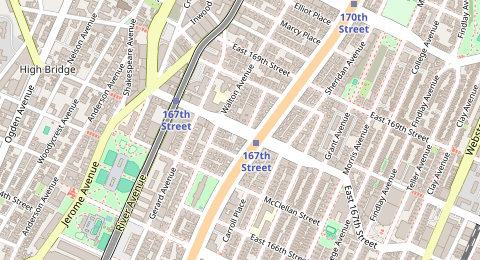
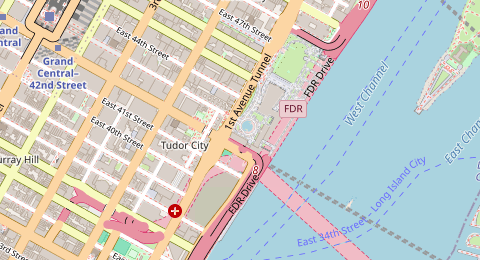
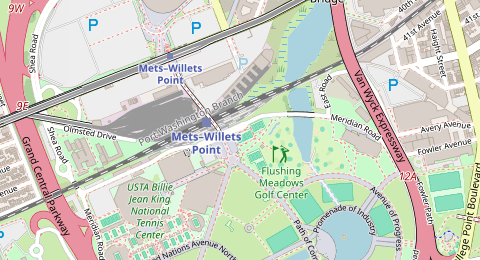
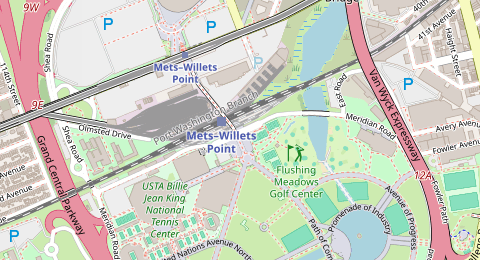
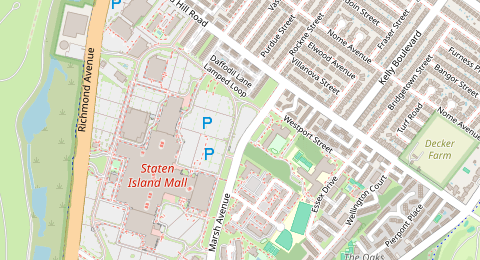
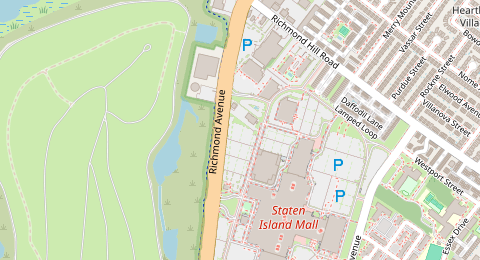
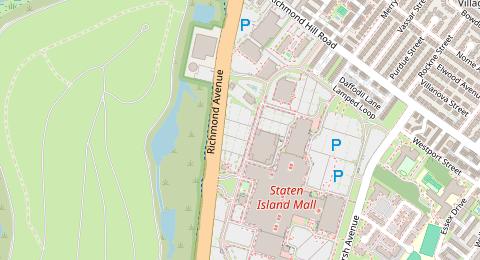
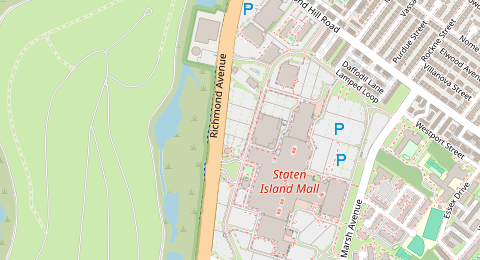
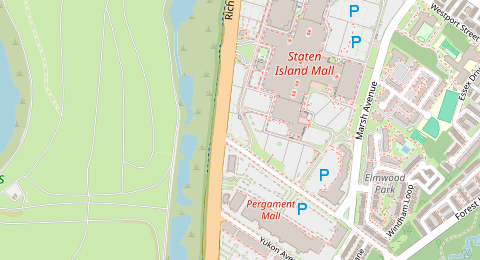
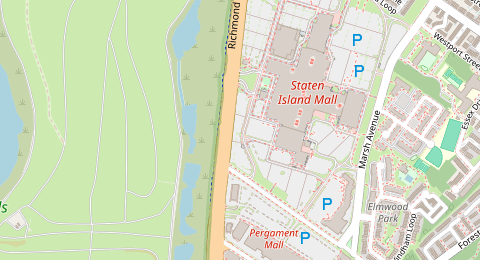
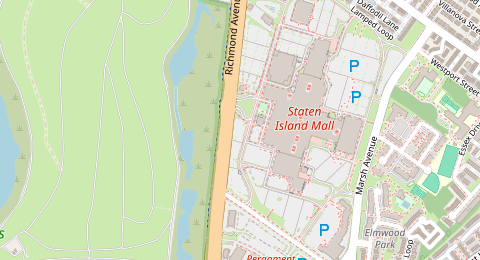
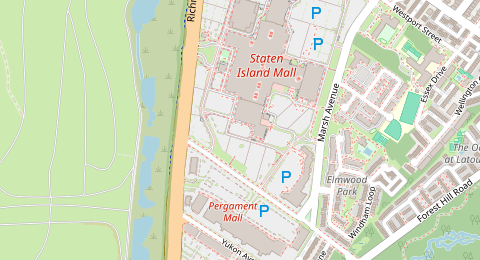
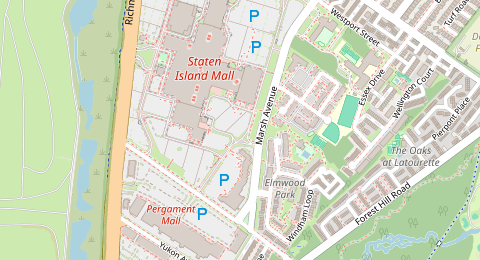
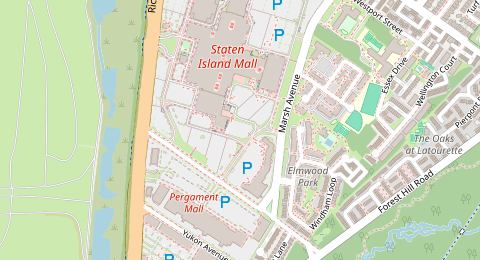
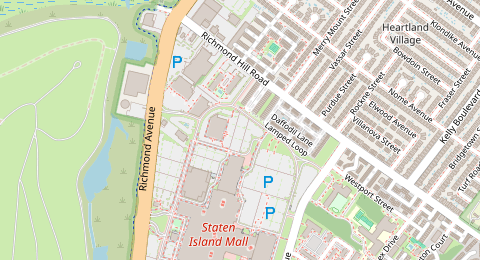
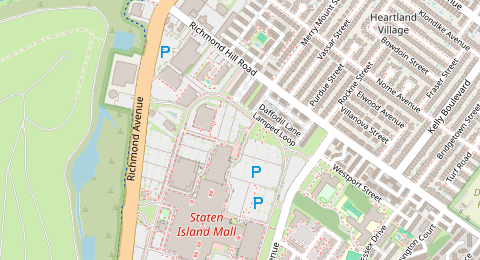
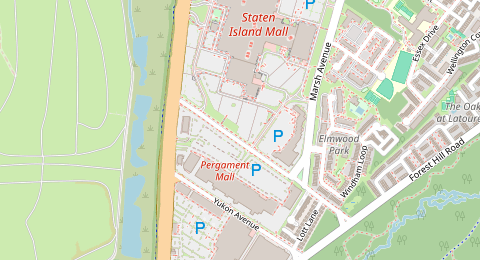
Spots are likely-free candidates based on OpenStreetMap data, not a guarantee. Parking rules change by street, side and time — always confirm the signs on arrival.
75 probable free parking candidates are available on the New York map, including 6 fresh, 30 medium-fresh and 39 older data points. Open the map to compare candidates visually, then use Street View and Google Maps navigation from each marker.
In New York City, the best free-parking strategy is not to search for one famous free lot, but to identify unmetered residential blocks and then verify the exact curb regulations. The highest-demand areas—Midtown and Lower Manhattan, major shopping streets, ferry and rail hubs, nightlife districts, stadiums, beaches, hospitals, and courthouse areas—often have meters, No Standing rules, truck loading, bus stops, or short time limits. Outer-borough residential grids in Queens, Brooklyn, the Bronx, and Staten Island may offer more likely free curb space, but alternate side parking and local sign stacks can still make a space illegal at certain times. Use the map as a starting point, then confirm with Street View, the latest data freshness, and the physical signs on the block.
These are practical starting points for finding likely free parking in New York. Use them as a shortlist, then verify signs on Street View and on arrival.
Unmetered curb parking is more likely on residential blocks than on commercial corridors. In Queens, Brooklyn, the Bronx, and Staten Island, look a few blocks away from retail strips, subway stations, ferry stops, schools, and hospitals.
Verify: Use Street View to confirm there is no meter, no ASP conflict during your planned stay, no driveway, no hydrant, and no sign that applies to your side of the block.
Staten Island generally has more lower-density residential areas than Manhattan, so likely free curb parking may be easier to find away from ferry, rail-station, beach, and shopping-center demand.
Verify: Be cautious near St. George Ferry Terminal, New Dorp, Great Kills, and Staten Island Railway stations, where lots, meters, permits, or commuter demand may affect availability.
Residential blocks away from busy avenues in areas such as Bay Ridge, Bensonhurst, Canarsie, Sheepshead Bay, and similar neighborhoods may be worth checking when you do not need to park in Manhattan or Downtown Brooklyn.
Verify: Avoid assuming a quiet block is legal; many Brooklyn blocks still have ASP signs, school rules, hydrants, driveways, and occasional metered sections near retail.
Residential side streets away from high-demand centers such as Flushing, Long Island City, and major subway or LIRR stations may offer better chances than core Manhattan streets.
Verify: Check whether the space is near a metered shopping strip, bus stop, driveway, fire hydrant, or municipal lot with separate rules.
Some Bronx neighborhoods have residential side streets where unmetered parking may be more realistic than in central Manhattan, especially away from event venues and major commercial roads.
Verify: Before navigating, inspect both ends of the block in Street View because Bronx avenues and transit-adjacent streets can switch quickly from ordinary curb parking to metered, bus stop, loading, or No Standing rules.
Inwood, Washington Heights, Harlem, and other Upper Manhattan neighborhoods may have unmetered spaces on some residential blocks, but demand is high and ASP rules are common.
Verify: Check the full sign stack on the exact side of the street and avoid spaces near schools, hospitals, parks, bridge approaches, and commercial avenues unless the signs clearly allow parking.
In these parts of New York, free parking is less likely or the rules may be more complex.
These areas often combine high demand with meters, commercial loading, No Standing rules, bus stops, hydrants, garage entrances, bike infrastructure, and frequent enforcement.
Dense mixed-use streets can change regulation block by block, with meters, loading zones, construction, event demand, and residential side streets filling quickly.
Busy Queens centers often have meters, municipal lots, loading zones, bus stops, and short-term curb turnover rules.
Commuter demand, station access, municipal facilities, and posted restrictions can make curb parking less predictable than nearby residential streets.
Event days can change demand dramatically, and nearby curb rules may include special restrictions, meters, No Standing, or enforcement activity.
Airport access roads, terminals, rideshare areas, and surrounding curb space are highly controlled. Do not treat airport curbs as free parking.
Seasonal demand, metered areas, park rules, and special event or beach-day congestion can make free curb parking hard to rely on.
FreeParkMap is built around verification. Open a candidate spot, check the street visually, then confirm the nearest signs when you arrive.
This page highlights likely free parking based on map data and verification tools; it does not guarantee a legal or free space. Always read the current posted signs, meters, curb markings, and temporary notices before parking.
FreeParkMap is a discovery tool. It helps you build a shortlist of possible places to check, not a guarantee that a space is legal or free.
The page is designed for one simple workflow: discover, verify, navigate, then check signs on site.
Search New York on the free parking map and zoom into the borough or neighborhood where you actually need to park.
Open likely free parking markers and compare them with nearby meters, ASP signs, curb restrictions, and data freshness indicators.
Use Street View to inspect the exact curb, then reject any space with unclear signs, meters you do not plan to pay, loading rules, hydrants, driveways, or temporary restrictions.
When you find a likely legal space, navigate with Google Maps, park only after reading the real posted signs, and save a backup option nearby.
Quick answers before using the map.
Yes, free street parking can exist in New York City, especially on some unmetered residential side streets, but it is never guaranteed. You must verify the exact signs, ASP times, meters, curb markings, hydrants, driveways, and temporary notices before leaving the car.
It is usually more likely on residential side streets in the outer boroughs, away from commercial corridors, major transit hubs, hospitals, schools, event venues, ferry terminals, and beach destinations. Manhattan has some unmetered curb space, but competition and restrictions are much more intense.
The outer boroughs are generally more realistic for likely free parking, especially in lower-density residential areas. Manhattan, particularly Midtown and Lower Manhattan, is usually the most difficult because curb space is heavily managed and demand is extremely high.
Alternate Side Parking, or ASP, is the street-cleaning parking rule shown on posted signs. If ASP is active for your side of the street, you cannot park there for the full posted period. ASP may be suspended on certain holidays or during emergencies, but you should confirm the current status with official NYC sources.
NYC DOT states that metered regulations are generally not in effect on Sundays and major legal holidays. However, other posted rules can still apply, especially seven-day No Standing, No Stopping, bus stop, loading, or authorized-vehicle restrictions.
Do not assume so. NYC street-cleaning restrictions apply for the full time posted on the sign, even if the sweeper has already passed.
These notes explain which public information sources were used to make this page more specific.
Tow Away Zone context, sign hierarchy, stopping/standing/parking concepts, and reminder to read full block signage.
Meter, ParkNYC, pay-by-plate, block-face zone, Sunday and major legal holiday meter guidance.
ASP suspension calendar, holiday and emergency suspension concepts, and current official ASP status guidance.
Street-cleaning rules, ASP sign behavior, and the rule that restrictions apply for the full posted period.
Official backup parking facility context across the five boroughs and caution that municipal lots have their own rules, rates, and hours.
Loading-zone, commercial curb, and passenger pickup/drop-off caution for busy corridors.
Heading somewhere else? Check likely free parking maps for more cities.
Review likely free spots, inspect signs with Street View, and open Google Maps navigation when a location looks worth trying.
Open New York map →