Fresh data Map updated 2026-06-08
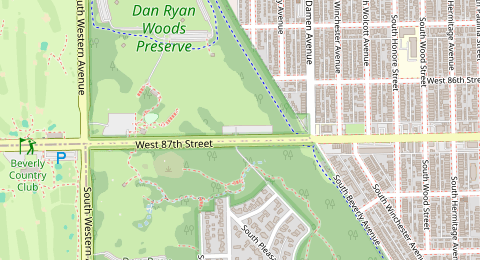
Dan Ryan Woods Access Road, Ashburn, Chicago
16 km from Chicago centre
Chicago has some free curbside parking on neighborhood side streets, but many parts of the city are controlled by meters, residential permits, tow zones, stadium rules, seasonal street sweeping, and winter snow restrictions. Free parking is most likely farther from the Loop, lakefront attractions, major commercial corridors, and event venues. Use the map to find likely free spaces, then confirm every sign in Street View and again at the curb before leaving your car.
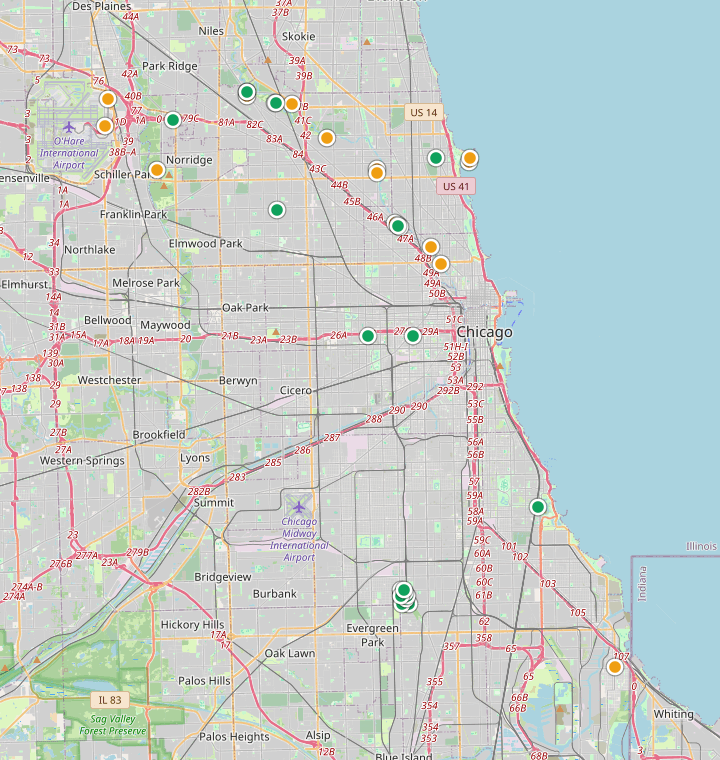
These candidates come straight from the latest community map data, ranked freshest first. Each one links to Street View, Google Maps directions and Google Maps so you can verify the signs before you drive. The last map update is shown for every spot.
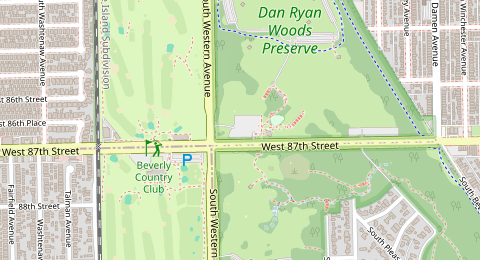
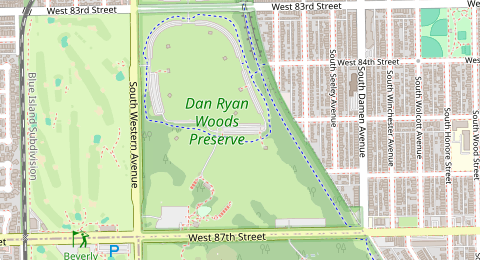
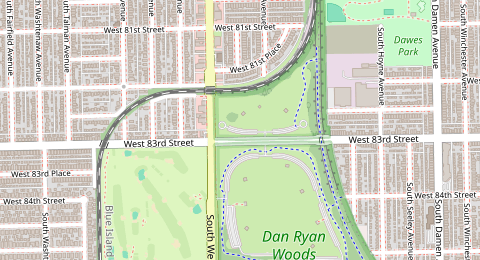
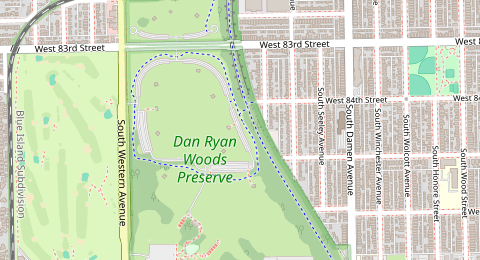
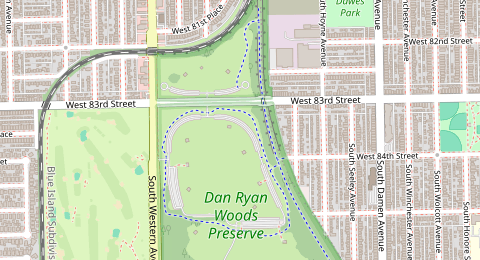
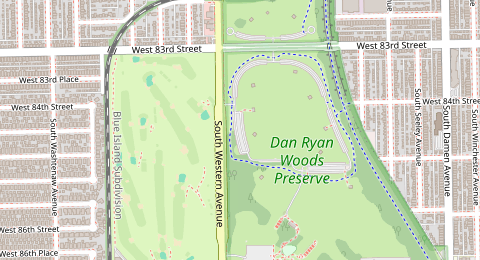
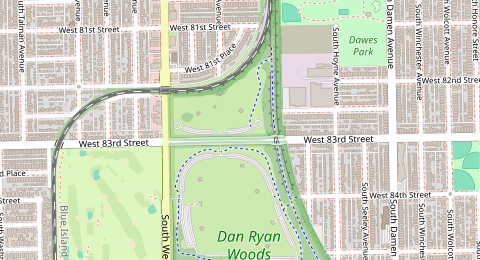
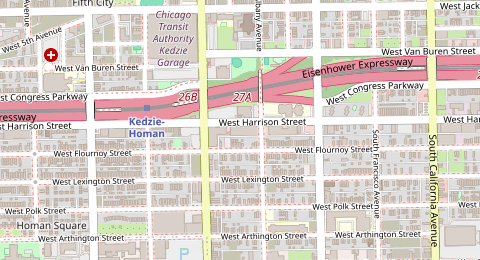
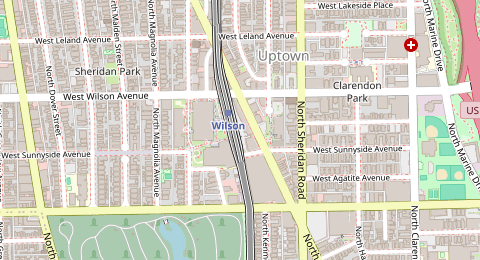
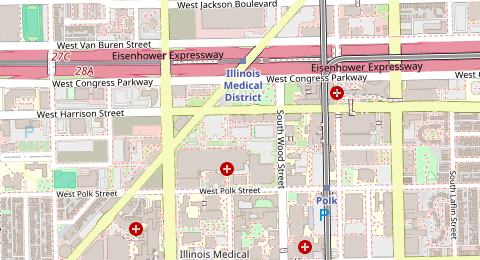
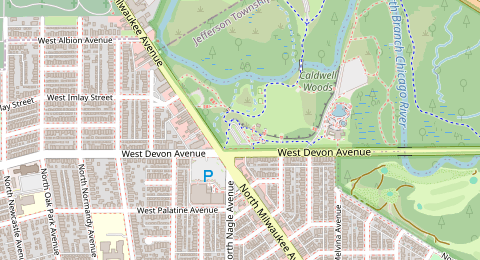
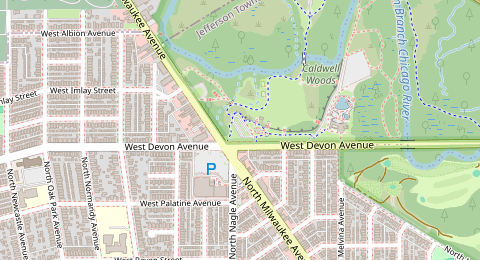
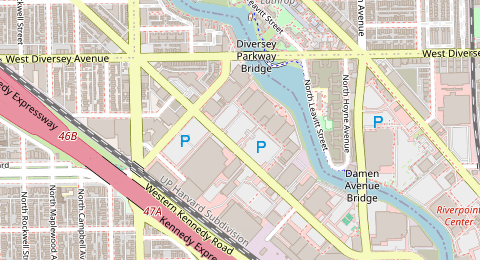
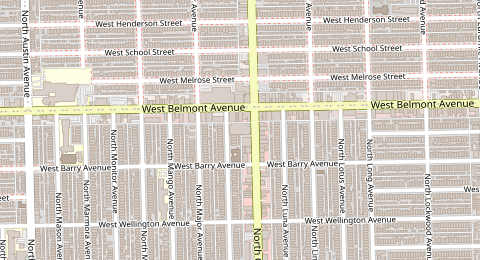
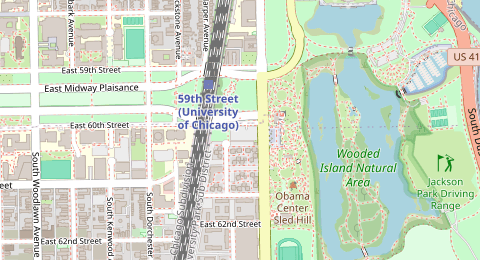
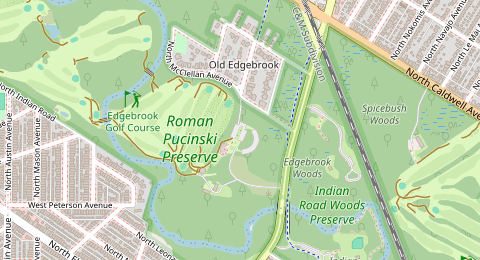
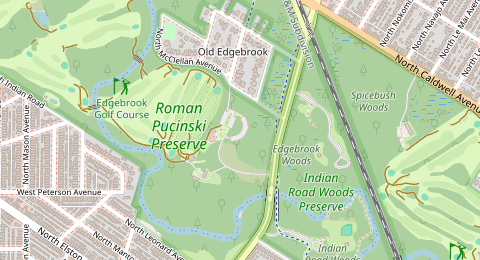
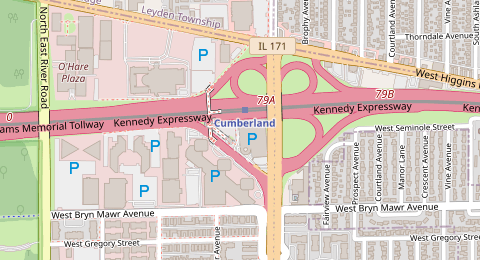
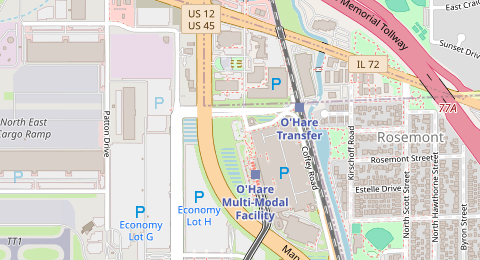
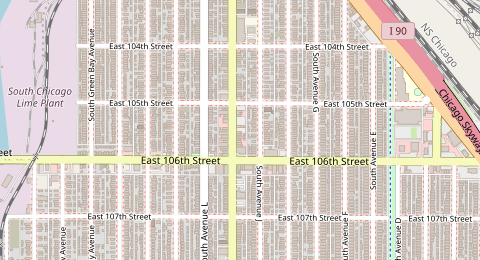
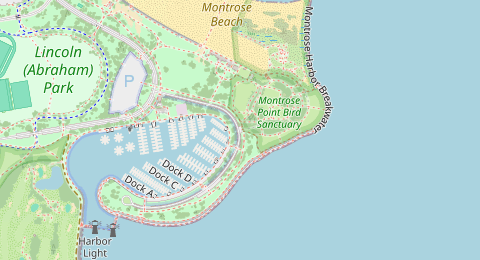
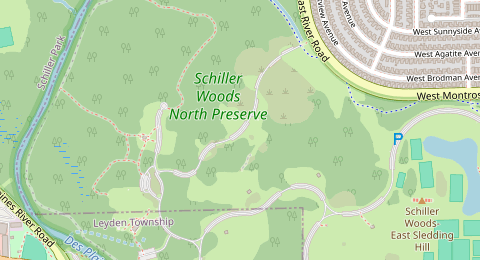
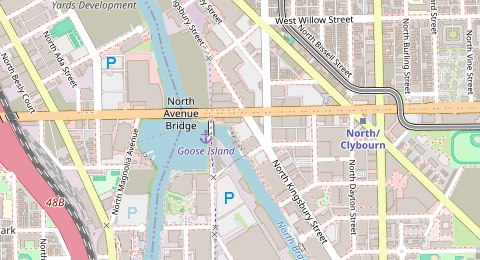
Spots are likely-free candidates based on OpenStreetMap data, not a guarantee. Parking rules change by street, side and time — always confirm the signs on arrival.
110 probable free parking candidates are available on the Chicago map, including 19 fresh, 16 medium-fresh and 75 older data points. Open the map to compare candidates visually, then use Street View and Google Maps navigation from each marker.
Chicago’s street grid creates many curbside parking opportunities, but the rules can change block by block. The Loop, River North, Streeterville, West Loop, Michigan Avenue, the lakefront, and stadium areas have high demand and many paid or restricted spaces. In residential neighborhoods, free-looking spaces may still be affected by Residential Zone Parking, street sweeping, school zones, loading zones, rush-hour tow rules, or winter snow-route signs. The most practical strategy is to search one or more neighborhoods away from your destination, check whether the block is outside permit and meter controls, then use CTA, Metra, biking, walking, or rideshare for the final leg if needed.
These are practical starting points for finding likely free parking in Chicago. Use them as a shortlist, then verify signs on Street View and on arrival.
These areas are farther from the Loop and lakefront visitor pressure, and some residential side streets may have unmetered curb parking. Blocks closest to Blue Line stations, Metra stations, schools, and commercial corridors can still be restricted.
Verify: Check for Residential Zone Parking signs, street sweeping notices, snow-route signs, and any station-area time limits before navigating there.
Away from downtown and airport-adjacent streets, some neighborhood side streets may be worth checking for free-looking curb spaces. Avoid assuming that spaces near the Orange Line, schools, industrial streets, or arterials are unrestricted.
Verify: Use Street View to scan for permit, truck, loading, school-day, street cleaning, and snow-route signs; re-check the exact block when you arrive.
Large inland parks often have surrounding residential grids where curb parking may be less visitor-controlled than lakefront parks. Park lots, event days, fieldhouse areas, and boulevards may have separate rules.
Verify: Check whether you are on a residential street, a park lot, a boulevard, or an event-restricted block; park district lots and street spaces can follow different rules.
Some blocks away from the immediate lakefront, Loyola-area demand, and main commercial streets may have free-looking residential curb space. Demand rises near beaches, universities, transit stops, and apartment-dense corridors.
Verify: Look for residential permit signs, meters near commercial strips, street-end beach restrictions, and temporary moving or construction signs.
These neighborhoods are farther from the downtown parking crunch, and some side streets may be less intensively metered. Lakefront lots, beach access points, industrial streets, and commuter corridors still need careful sign checks.
Verify: Do not rely on a wide curb alone; verify no overnight, truck, permit, school, park, or snow-route restrictions apply.
In these parts of Chicago, free parking is less likely or the rules may be more complex.
These central areas have high demand, meters, garages, loading zones, bus lanes, tow zones, and frequent curb changes. Truly free curb parking is uncommon and time-sensitive.
Restaurant, office, delivery, nightlife, and event demand can make curb rules complicated. Watch for meters, valet zones, loading zones, construction signs, and short time limits.
Stadium and event restrictions may override normal-looking street parking. Residential permit areas and tow zones can be enforced during games and events.
Beach admission may be free, but nearby parking can be paid, metered, crowded, or controlled by park district rules. Lakefront lots are not the same as unrestricted street parking.
Arterial streets can have rush-hour tow restrictions, snow-route rules, bus stops, loading zones, and metered commercial parking. Side streets nearby may be safer to check, but still require sign verification.
Transit and airport-adjacent areas often include paid lots, commuter time limits, residential restrictions, and high enforcement pressure. A space near a station is not automatically free or long-term legal.
FreeParkMap is built around verification. Open a candidate spot, check the street visually, then confirm the nearest signs when you arrive.
This page shows likely free parking based on available map and street-level signals, not a guarantee that a space is legal or free. Always verify posted signs, meters, permits, temporary notices, seasonal rules, and event restrictions at the curb before parking.
FreeParkMap is a discovery tool. It helps you build a shortlist of possible places to check, not a guarantee that a space is legal or free.
The page is designed for one simple workflow: discover, verify, navigate, then check signs on site.
Search Chicago on the map and move the view away from the Loop, lakefront, stadiums, and major commercial corridors if you want a better chance of likely free parking.
Open candidate streets and compare map signals with Street View, looking for meters, permit signs, sweeping signs, snow-route signs, and temporary restrictions.
Choose a space only after checking the exact block, side of street, direction of travel, time limits, and any seasonal or event rules.
Navigate with Google Maps, then verify the curb signs in person before leaving your car; if anything conflicts with the map, follow the posted signs.
Quick answers before using the map.
Yes, some Chicago streets may have free curb parking, especially on residential side streets outside the most visited areas. However, many blocks are controlled by meters, residential permits, sweeping schedules, snow-route rules, loading zones, or event restrictions, so you must verify signs before parking.
Free parking is most likely on unmetered neighborhood side streets away from downtown, lakefront attractions, stadiums, major shopping streets, and transit hubs. Farther Northwest Side, Southwest Side, and some outer residential areas are often better places to start checking than the Loop or lakefront.
Free curb parking in the Loop, River North, Streeterville, and around Michigan Avenue is usually difficult to find and often time-limited or paid. For downtown visits, it is usually safer to compare garages, CTA access, or likely free parking farther out with a transit connection.
Some ParkChicago metered spaces outside the central business district may not require payment on Sundays unless signs say “7 Day Paid Parking,” but rules vary by location. Always follow the posted meter sign, pay box, or ParkChicago zone information for the exact block.
A Residential Zone Parking sign means parking may be limited to vehicles with the matching zone on a Chicago City Vehicle Sticker or a valid daily residential parking permit. If you do not have permission for that zone, do not treat the space as free.
Generally no. CTA Park & Ride and under-‘L’ lots are useful when you want to avoid driving into central Chicago, but they are usually paid facilities. Check CTA’s current lot information before relying on one.
These notes explain which public information sources were used to make this page more specific.
Residential permit parking explanation, zone numbers, City Sticker connection, and daily permit concept.
Event and stadium-area permit cautions around Wrigley Field, the White Sox ballpark area, and Soldier Field.
Metered parking context, ParkChicago zones, and citywide paid-parking structure.
General ParkChicago meter operations and Sunday/7-day paid parking caution.
CTA Park & Ride and under-‘L’ parking fallback guidance.
Winter overnight parking ban and snow-route caution.
Heading somewhere else? Check likely free parking maps for more cities.
Review likely free spots, inspect signs with Street View, and open Google Maps navigation when a location looks worth trying.
Open Chicago map →