Fresh data Map updated 2026-05-06
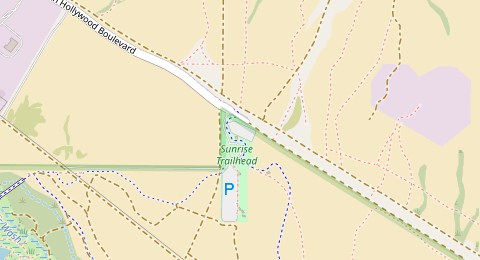
Flamingo Arroyo Trail, Las Vegas
13 km from Las Vegas centre
Las Vegas parking changes block by block: Downtown has city meters and public garages, the Arts District mixes curb parking with event controls, and the Strip is dominated by private resort and shopping-center garages. Use the map to identify likely free parking, then confirm the exact curb sign, property rule, or garage policy before leaving your car.
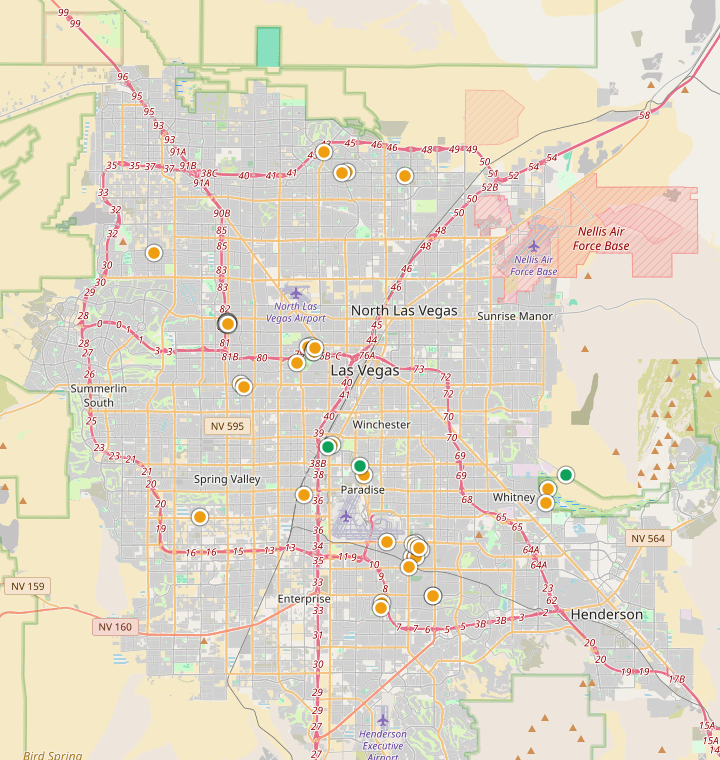
These candidates come straight from the latest community map data, ranked freshest first. Each one links to Street View, Google Maps directions and Google Maps so you can verify the signs before you drive. The last map update is shown for every spot.
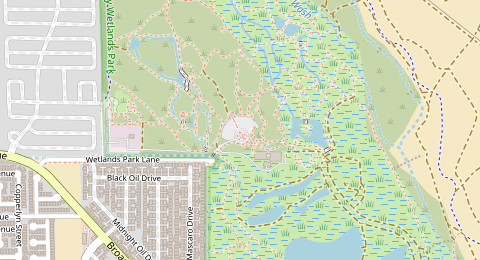
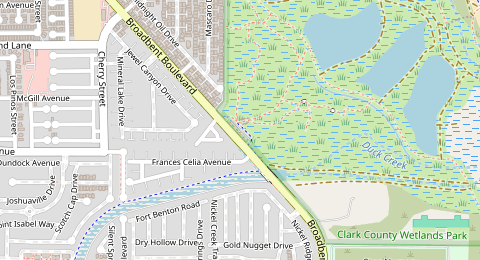
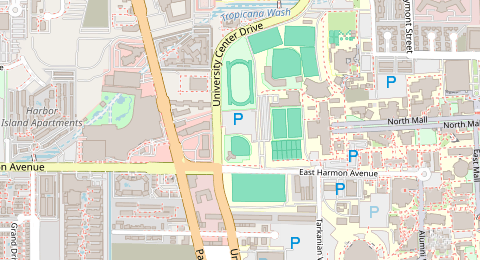
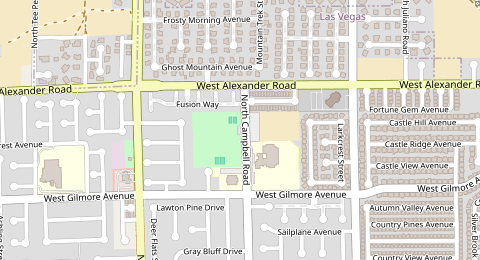
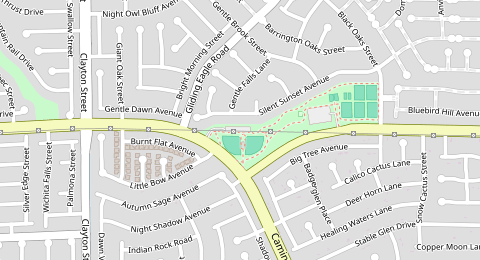
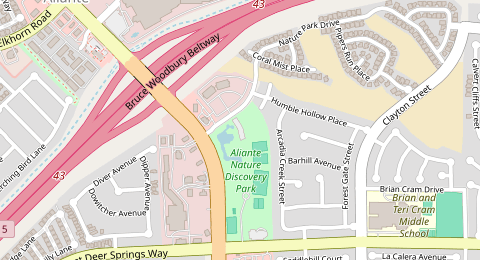
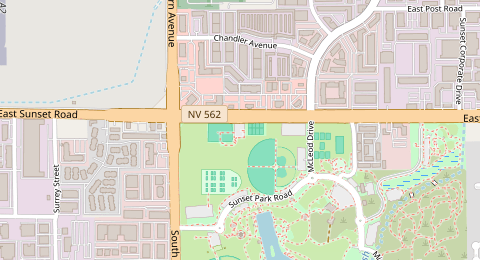
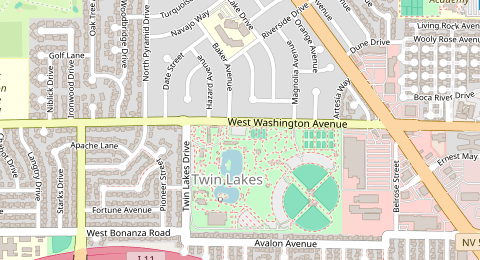
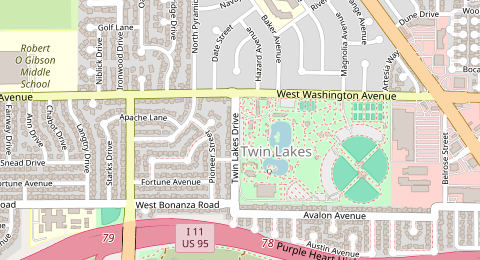
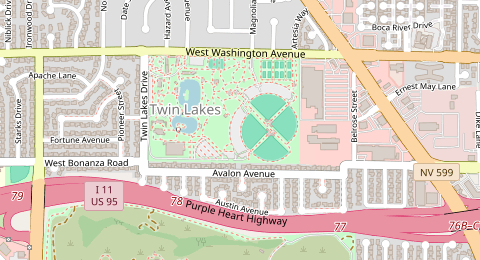
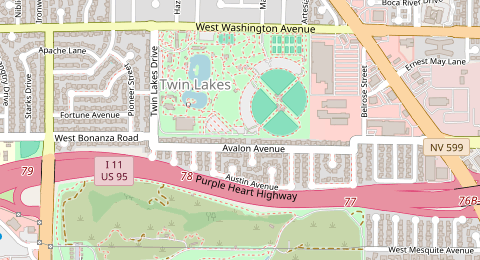
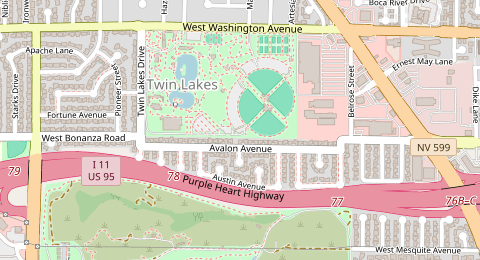
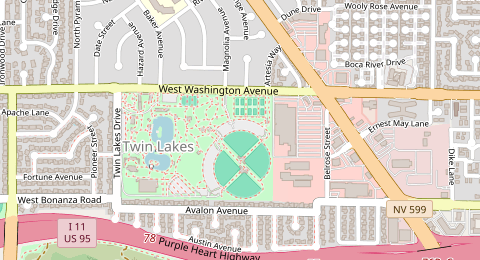
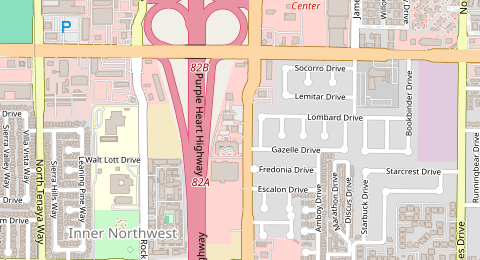
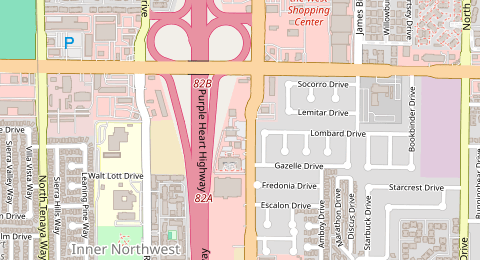
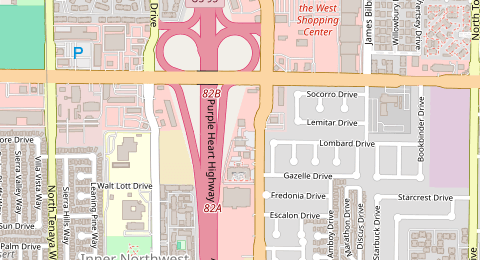
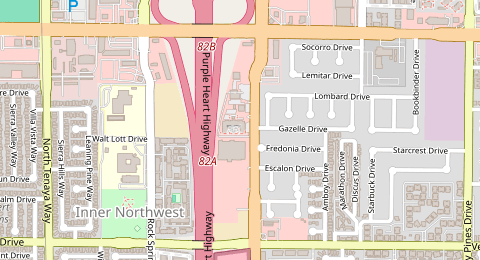
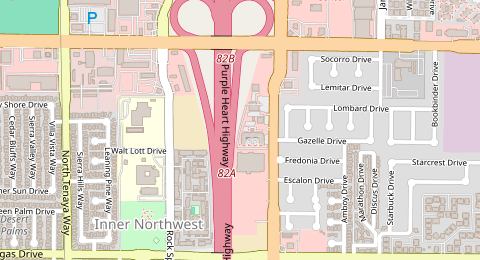
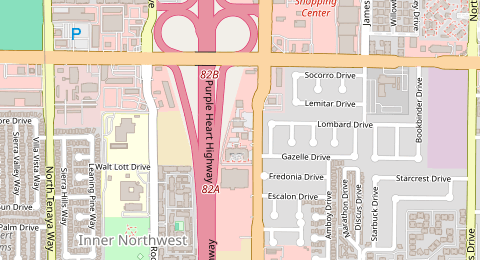
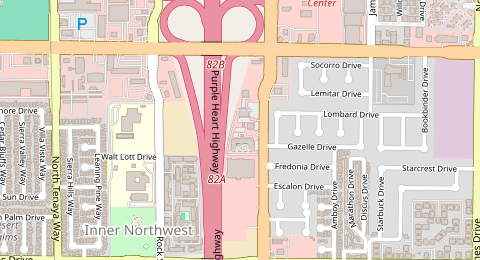
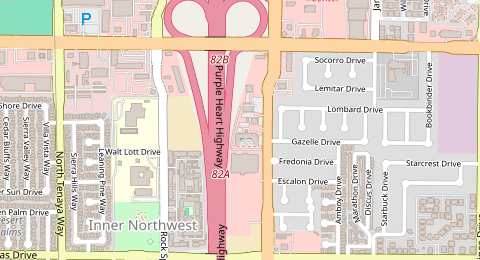
Spots are likely-free candidates based on OpenStreetMap data, not a guarantee. Parking rules change by street, side and time — always confirm the signs on arrival.
77 probable free parking candidates are available on the Las Vegas map, including 3 fresh, 42 medium-fresh and 32 older data points. Open the map to compare candidates visually, then use Street View and Google Maps navigation from each marker.
In Las Vegas, the best strategy is to separate the city center from the resort corridor. City-managed parking is most relevant Downtown, around the Arts District, Fremont East, Symphony Park, and nearby municipal garages or meters. The Strip is commonly referred to as Las Vegas, but much of the resort corridor is under Clark County and private resort control, so hotel, casino, mall, and event-garage rules matter more than ordinary city curb rules. Free spaces may still exist, especially away from the densest entertainment blocks, at certain customer garages, or at RTC Park & Ride lots for transit riders, but users should assume that meters, time limits, permits, tow-away signs, private-lot rules, and event pricing can override map predictions.
These are practical starting points for finding likely free parking in Las Vegas. Use them as a shortlist, then verify signs on Street View and on arrival.
Side streets farther from the busiest Main Street and Charleston Boulevard restaurant blocks may be more promising than the core, especially outside major event windows. The city also promotes limited free lunchtime parking in the Arts District on weekdays, so this area is worth checking carefully.
Verify: Use Street View to look for meters, time limits, loading zones, restaurant valet signs, and temporary First Friday/event notices before navigating.
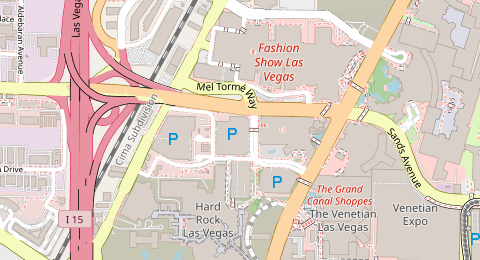
Fashion Show Las Vegas states that parking is free for the mall, with multiple decks and surface areas near the north Strip. This can be useful for mall visits and nearby walking trips, but it is private property and special event rules may apply.
Verify: Confirm current mall parking terms, opening hours, race/event exceptions, and whether your intended use is allowed before relying on it.
Treasure Island advertises complimentary self-parking facilities, making it one of the better-known north Strip places to check when your destination is nearby. Availability and eligibility are still subject to the property’s rules.
Verify: Read garage entrance signs for overnight limits, event restrictions, validation requirements, and any change in policy before leaving the car.
The South Strip Transit Terminal is an official RTC Park & Ride facility near the south resort corridor and airport transit routes. It can be practical if you want to avoid driving into the Strip core and continue by bus.
Verify: Use it only as permitted for transit riders, check first-come availability, and register or notify RTC/Security if leaving the vehicle beyond a normal day trip.
This northwest valley facility has a large free surface parking supply for transit users and can work for people approaching Las Vegas from the northwest who want to connect by RTC service instead of parking Downtown or on the Strip.
Verify: Check the current RTC route, lobby hours, and vehicle registration guidance before planning a longer stay.
Westcliff serves the western valley and is useful for carpool or transit trips into busier parts of Las Vegas. It is not a destination parking shortcut, but it may reduce time spent searching in Downtown or resort garages.
Verify: Verify that you are using marked RTC Park & Ride spaces and not adjacent private lots.
These areas sit near Downtown attractions but away from the most crowded Fremont Street Experience blocks. There may be a mix of metered spaces, garages, and side streets worth checking on the map.
Verify: Do not assume an open curb is free; check for city meters, residential signs, reserved monthly-permit lots, garage rules, and event closures.
In these parts of Las Vegas, free parking is less likely or the rules may be more complex.
This is one of the busiest Downtown areas, with entertainment venues, pedestrian traffic, meters, garages, private lots, and event activity. Free curb parking close to the action is unlikely and restrictions can change during events.
Most convenient parking is in private casino, hotel, mall, or event garages. Policies can vary by property, loyalty status, residency, hotel guest status, day of week, and event schedule.
The city specifically warns drivers to use clearly signed public or event parking and not to park in dirt lots, even if attendants appear to be present, because towing risk is high.
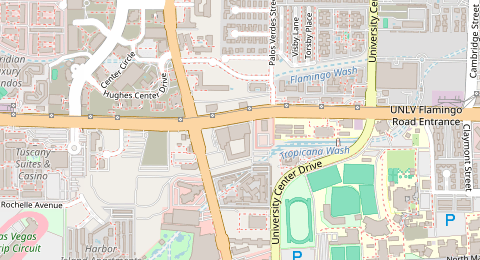
UNLV requires visitors to use visitor/pay spaces or have the correct permit, and the campus uses license plate recognition. Event parking can further change normal access.
Convention traffic, venue lots, resort garages, and event schedules can make parking availability unpredictable. Do not rely on nearby business lots unless signs clearly allow your use.
These streets may look open on the map but can have resident restrictions, time limits, driveway clearances, fire lanes, RV rules, or tow-away signs.
In Downtown Las Vegas, the city warns that dirt lots are not legitimate parking locations for First Friday-style events and may lead to towing.
FreeParkMap is built around verification. Open a candidate spot, check the street visually, then confirm the nearest signs when you arrive.
This page highlights likely free parking based on map signals and local context, but it cannot guarantee a space is free or legal. Always verify curb signs, meters, private-lot rules, event notices, and garage terms before leaving your vehicle.
FreeParkMap is a discovery tool. It helps you build a shortlist of possible places to check, not a guarantee that a space is legal or free.
The page is designed for one simple workflow: discover, verify, navigate, then check signs on site.
Search Las Vegas on the map and zoom into your destination area, such as Downtown, the Arts District, the north Strip, UNLV, or an RTC Park & Ride.
Filter for likely free parking and compare the result with data freshness, Street View imagery, and nearby paid alternatives.
Open Street View before you drive to check meters, curb signs, private-lot warnings, garage entrances, and event restrictions.
Navigate with Google Maps, then verify the sign in person before leaving the vehicle.
Quick answers before using the map.
Sometimes, but it is property-specific. A few private properties advertise free parking or limited complimentary parking, while many resort garages charge or restrict free parking to guests, rewards members, Nevada residents, customers, or non-event periods. Always verify the current garage signs and property rules.
Not necessarily. Downtown has more city-managed meters, public garages, event parking, and short walking distances, but the Fremont Street and Fremont East areas are highly controlled. Free spaces are more likely on the edges than in the entertainment core, and signs must be checked carefully.
Check the outer Arts District, less central Downtown edges, official RTC Park & Ride facilities if you will use transit, and private properties that currently state free customer parking. Avoid assuming that resort or business lots are free for general use.
RTC Park & Ride facilities can be a good option if you are continuing by bus and following RTC rules. South Strip, Centennial Hills, and Westcliff are examples of official facilities, but spaces are first-come, first-served and longer stays may require extra steps.
Avoid unmarked dirt lots and any lot that is not clearly signed as public or event parking. The city warns that informal dirt lots can lead to towing, even if attendants appear to be present.
Sometimes, but be cautious. Residential streets can have time limits, permit rules, RV restrictions, driveway clearances, fire lanes, and tow-away signs. Always check the curb and nearby posted signs after you arrive.
These notes explain which public information sources were used to make this page more specific.
City parking services, downtown parking resources, meter payment apps, parking laws and codes links, and Arts District free lunch parking note.
Monthly parking, downtown permit context, short-term RV permit rules, and reserved meter or construction parking concepts.
Downtown area context including 18b Arts District, Fremont East Entertainment District, Symphony Park, restaurants, breweries, and residential growth.
First Friday event parking guidance, shuttle/garage context, and warning against dirt lots.
South Strip Transit Terminal, Centennial Hills Transit Center, Westcliff Transit Center, free first-come parking for transit riders, and longer-stay guidance.
Context that Clark County has jurisdiction over the Las Vegas Strip and provides services in unincorporated areas.
Heading somewhere else? Check likely free parking maps for more cities.
Review likely free spots, inspect signs with Street View, and open Google Maps navigation when a location looks worth trying.
Open Las Vegas map →