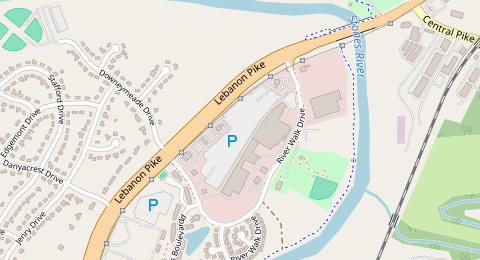
Medium freshness Map updated 2025-05-26
Lebanon Pike, Hermitage, Nashville
13 km from Nashville centre
Nashville’s easiest free parking is usually found away from the busiest entertainment, hospital, university and event districts. Downtown, SoBro and the Gulch have active curb management, paid parking zones and frequent event pressure, so drivers should treat central street parking as highly controlled and verify every sign before leaving the car.
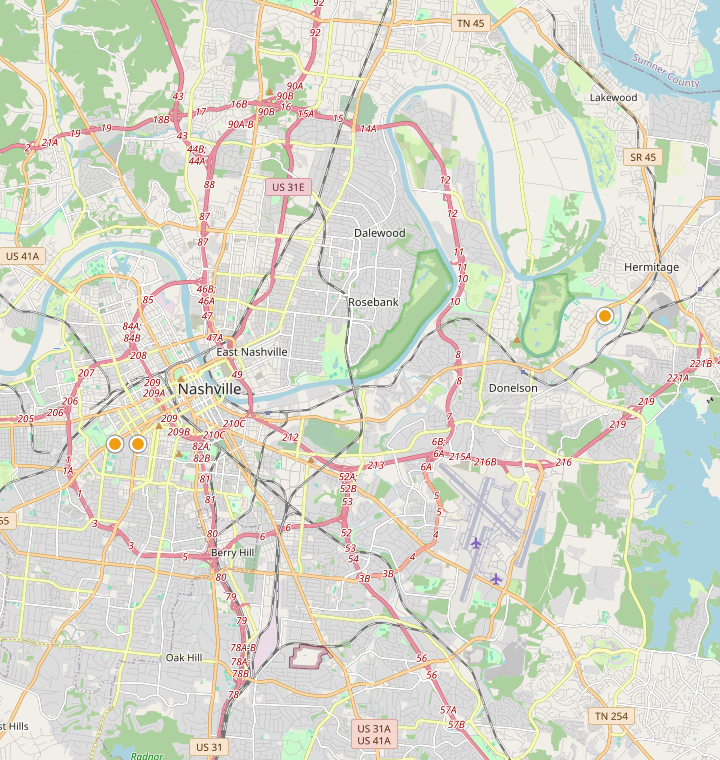
These candidates come straight from the latest community map data, ranked freshest first. Each one links to Street View, Google Maps directions and Google Maps so you can verify the signs before you drive. The last map update is shown for every spot.
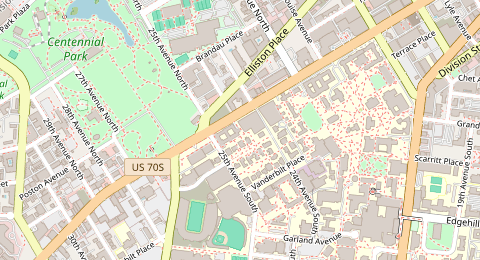
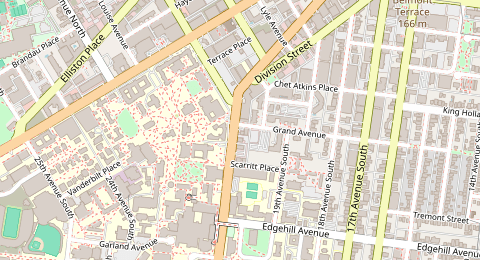
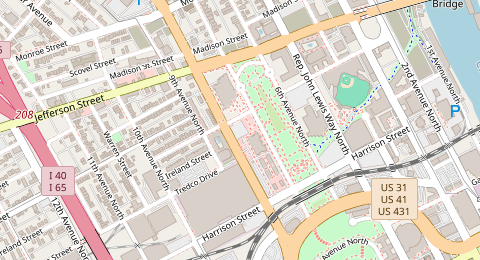
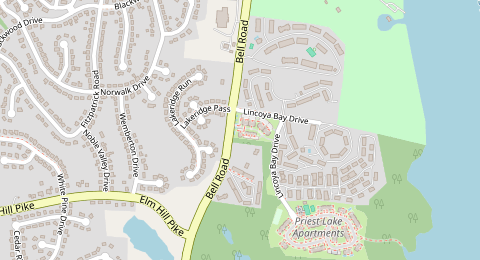
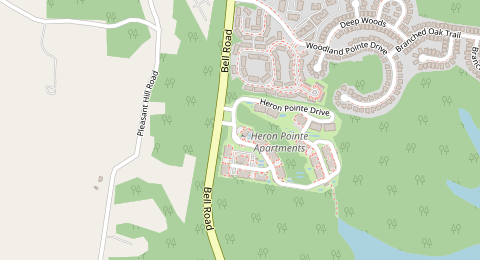
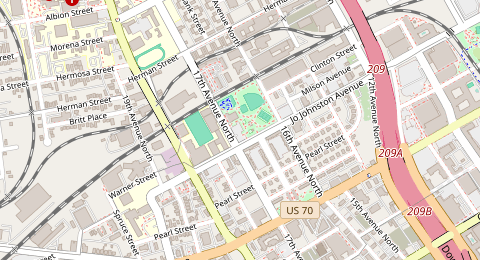
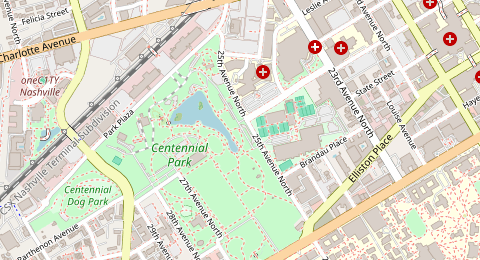
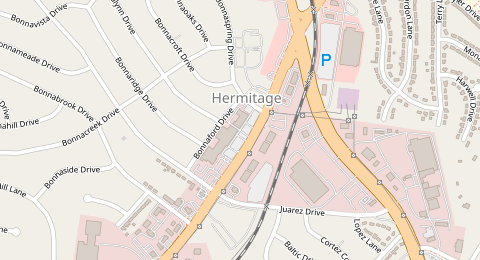
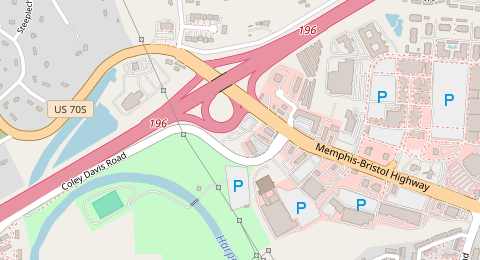
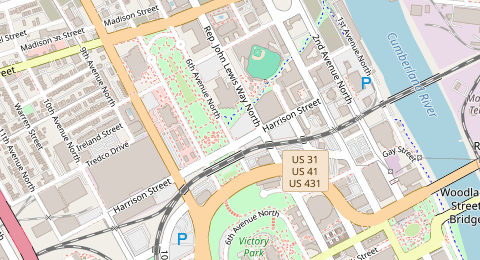
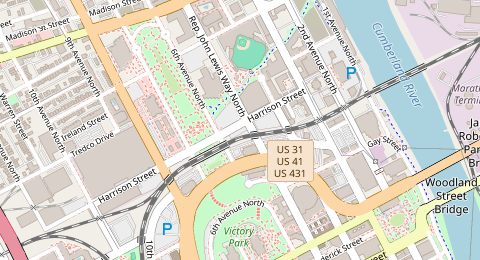
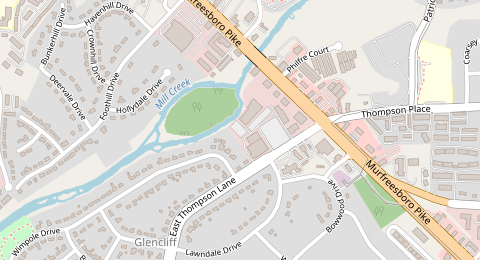
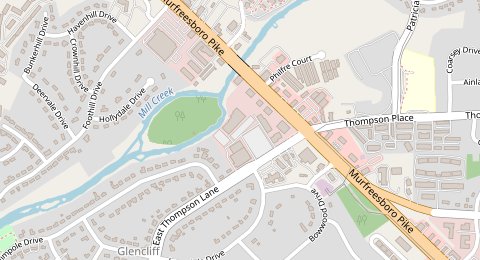
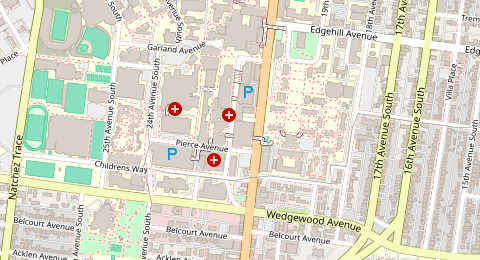
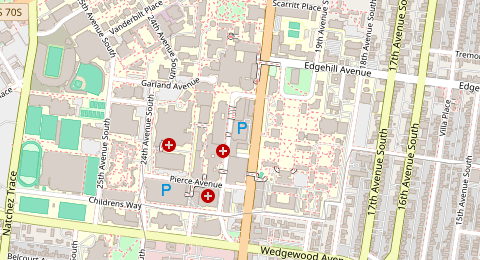
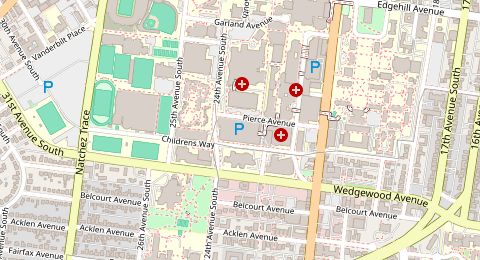
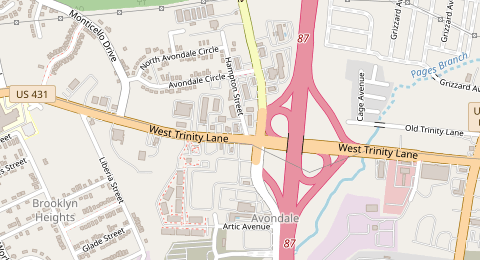
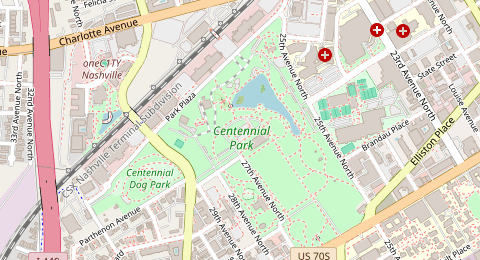
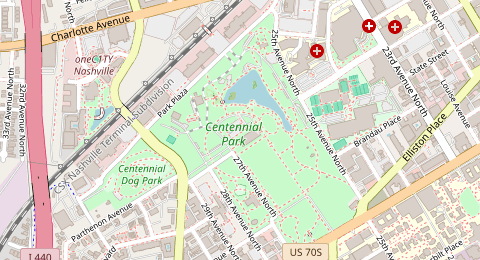
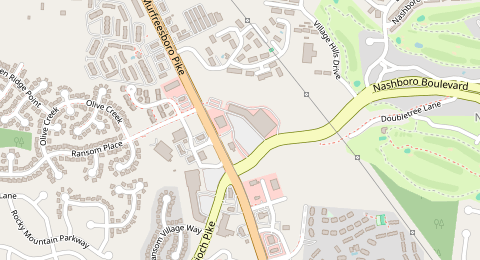
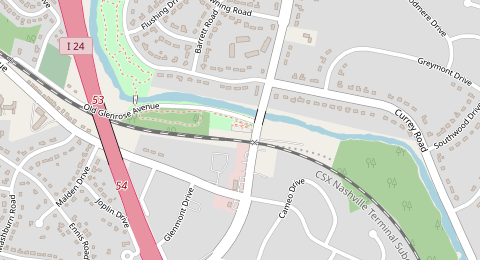
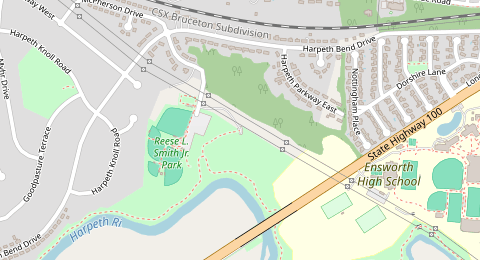
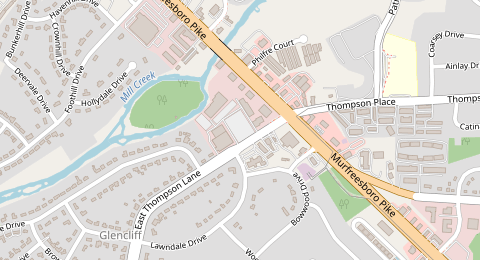
Spots are likely-free candidates based on OpenStreetMap data, not a guarantee. Parking rules change by street, side and time — always confirm the signs on arrival.
33 probable free parking candidates are available on the Nashville map, including 0 fresh, 3 medium-fresh and 30 older data points. Open the map to compare candidates visually, then use Street View and Google Maps navigation from each marker.
In Nashville, the best strategy is to separate central destinations from parking search areas. If you are going to Broadway, Ryman Auditorium, Bridgestone Arena, Music City Center, Lower Broadway, SoBro or the Gulch, expect many curb spaces to be metered, time-limited, loading-only, valet-controlled or affected by events. Free street parking is more plausible on legal residential or mixed-use blocks outside the highest-demand zones, but Nashville also uses residential permit parking on selected streets, so a quiet side street is not automatically safe. For longer visits, official WeGo Park & Ride locations such as Bellevue, Donelson Station, Hermitage Station, Hickory Hollow and Madison Square may be a practical option when paired with transit, as long as the lot is appropriate for your trip and the posted rules allow your use.
These are practical starting points for finding likely free parking in Nashville. Use them as a shortlist, then verify signs on Street View and on arrival.
Blocks outside Downtown, SoBro and the Gulch may have fewer paid curb controls, especially once you are away from major commercial corridors and venues.
Verify: Use Street View to confirm there are no pay-station signs, permit-only signs, time-limit signs, street-sweeping signs, loading zones or event restrictions.
In neighborhoods such as East Nashville, Germantown-adjacent areas, Wedgewood-Houston, Sylvan Park or The Nations, free curb parking may exist on some residential blocks farther from restaurants and nightlife streets.
Verify: Do not assume a residential block is free. Check for residential permit signs, driveway spacing, hydrants, corner clearance and any temporary no-parking notices.
WeGo lists Bellevue as an official Park & Ride location served by transit routes, making it worth considering for trips where parking outside the core and riding in makes sense.
Verify: Confirm the current route, hours and posted lot rules before relying on it, and use it only in a way allowed for transit, carpool or vanpool users.
These east-side WeGo Star corridor stations are listed by WeGo and can be useful for commuters or visitors approaching Nashville from the Lebanon Pike corridor.
Verify: Check whether your trip lines up with WeGo Star or bus service, and verify that the lot allows parking for your travel window.
WeGo lists both as Park & Ride locations, which may help drivers avoid the most expensive or congested central parking areas when transit works for the trip.
Verify: Open the exact lot in maps, check the latest WeGo route information, and confirm posted parking rules on arrival.
Nashville’s Metro Parks system has many park facilities across Davidson County, and parking may be available for park users at specific sites.
Verify: Use park parking only for the park visit it serves; do not use park lots as unofficial event or downtown parking unless signs clearly allow it.
In these parts of Nashville, free parking is less likely or the rules may be more complex.
This is Nashville’s highest-demand visitor area, with paid parking, loading needs, valet activity, nightlife traffic and frequent special-event pressure.
Large venues and convention activity can change parking availability quickly. Curb spaces may be metered, restricted, reserved for loading or affected by event operations.
The Gulch is part of Nashville’s central paid-parking environment and has dense restaurants, hotels, offices and private garages. Verify whether a space is public curb parking or part of a private facility.
NDOT identifies these as parking enforcement zones outside the Central Parking District, and pay stations are used in western corridors including the Vanderbilt Hospital area.
Nashville’s residential permit program is intended for streets where neighborhood parking is limited or affected by nearby commercial activity. Permit-only signs can appear block by block.
Football games, concerts and stadium events can affect streets, private lots and pedestrian routes on both sides of the Cumberland River. Plan for event restrictions and avoid unsigned assumptions on nearby residential streets.
Lots beside restaurants, shops, banks, offices or apartments may tow even when the business appears closed. Only park if public use is clearly posted or you have permission.
FreeParkMap is built around verification. Open a candidate spot, check the street visually, then confirm the nearest signs when you arrive.
This page identifies likely free parking opportunities using map data and practical checks, but it cannot guarantee that any space is free or legal. Always verify the latest posted signs, curb markings, meters, permits and temporary restrictions before leaving your vehicle.
FreeParkMap is a discovery tool. It helps you build a shortlist of possible places to check, not a guarantee that a space is legal or free.
The page is designed for one simple workflow: discover, verify, navigate, then check signs on site.
Enter your Nashville destination and the time you plan to park so the map can focus on nearby likely free parking areas.
Review suggested streets or lots, paying attention to data freshness, walking distance and whether the location is curb parking, park-and-ride or another parking type.
Open Street View for the exact block and check signs, curbs, hydrants, driveways, pay stations and permit restrictions before you navigate.
Use Google Maps to drive to the selected area, then verify the real-world signs again before leaving your car.
Quick answers before using the map.
Sometimes, but it is difficult and should not be assumed. Downtown is part of Nashville’s highly controlled parking environment, and many spaces are metered, time-limited, reserved, loading-only or affected by events.
Free parking is more likely on legal side streets outside the busiest central and commercial zones, or at official WeGo Park & Ride lots when you are using transit, carpool or vanpool services. Always confirm signs before parking.
Usually no. The Gulch is a dense, popular district within Nashville’s central parking environment, so expect paid parking, private garages and active enforcement. Check signs carefully if you find a curb space.
It may be possible in some situations, but event days can bring restrictions, full lots and neighborhood parking pressure. Be especially careful with residential permit signs, temporary no-parking signs and private lots.
WeGo states that free parking is available at listed Park & Ride locations for transit customers, carpoolers or vanpoolers as posted. Check the exact location and posted rules before using a lot.
No. Nashville has residential permit parking on participating streets, and some blocks have time limits or no-parking rules. A residential-looking block still needs a sign check.
These notes explain which public information sources were used to make this page more specific.
General NDOT role, Park Smart context, public parking resources, pay stations, permits and public/private parking distinction.
Central Parking District zones, enforcement areas including Downtown, SoBro, the Gulch, Music Row, Edgehill, Midtown and Hillsboro Village.
Multi-space pay station context, Central Parking District, West End/Vanderbilt area references and reminder to read posted signage.
Residential parking permit program, downtown residential permit concept and permit-related cautions.
Official Park & Ride concept and listed locations such as Bellevue, Donelson Station, Hermitage Station, Hickory Hollow and Madison Square.
WeGo Star station context, Riverfront Station downtown destination and Donelson Station/Hermitage corridor information.
Heading somewhere else? Check likely free parking maps for more cities.
Review likely free spots, inspect signs with Street View, and open Google Maps navigation when a location looks worth trying.
Open Nashville map →